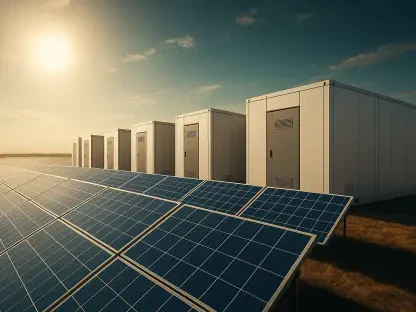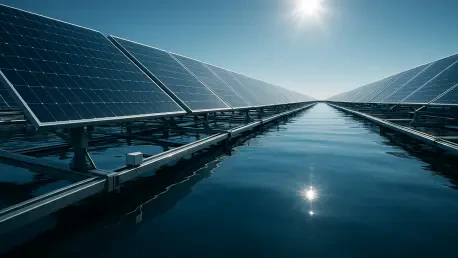

The implementation of floating solar technology requires a move away from one-size-fits-all solutions in favor of precise, data-driven management strategies. As global electricity demand climbs by more than 3% annually, energy developers are facing a physical bottleneck where the lack of available land restricts traditional expansion. Massive data centers and rapid urbanization require vast amounts of power, but traditional solar farms compete for space with agriculture and conservation efforts. To solve this energy paradox, researchers are looking toward floating photovoltaic systems, or floatovoltaics, as a way to generate clean power without taking up valuable real estate. By moving solar arrays onto man-made reservoirs, the industry can bypass land-use conflicts while meeting the needs of a power-hungry world. This transition represents a significant shift in how infrastructure is conceived, blending water management with high-capacity renewable energy production to create a multifunctional utility landscape that serves both urban and rural needs.
The Technical Edge: Aquatic Power Generation
Maximizing Efficiency Through Natural Cooling
Floating solar panels offer a distinct performance advantage over their land-based counterparts due to the cooling effect of water. Solar hardware often loses efficiency when it overheats, but the proximity to a water surface helps regulate temperatures and significantly boosts energy output. This natural heat sink allows panels to operate closer to their peak performance levels even during periods of intense solar radiation. The thermal regulation provided by the water body prevents the silicon cells from reaching the high temperatures that typically degrade photovoltaic performance in desert or grassland environments. Consequently, the same set of panels can produce significantly more kilowatt-hours over their lifespan simply by being situated on a liquid surface. This increased efficiency translates directly into better economic returns for investors and more stable power generation for the grid. Furthermore, the reduction in thermal stress extends the operational life of the internal electronics and mounting hardware, reducing long-term maintenance costs.
Utilizing Existing Infrastructure and Hydroelectric Synergy
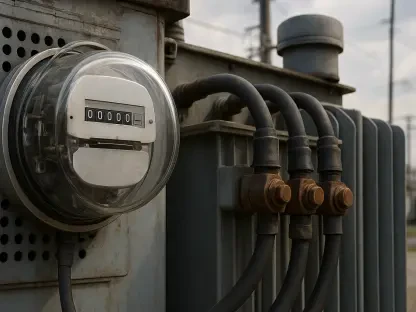
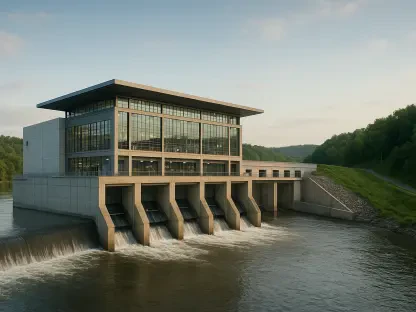
Placing these systems on man-made reservoirs is a strategic move that saves money and simplifies the integration of renewable energy into the existing utility framework. Because many of these sites already host hydroelectric dams, they come equipped with the necessary power lines, substations, and grid connections. This proximity eliminates the need for expensive new transmission infrastructure, which is often one of the most significant financial hurdles for rural solar development. Additionally, the hybrid nature of these sites allows for a complementary power generation cycle. During the day, solar panels provide the bulk of the electricity, allowing the hydroelectric plant to conserve water. In the evening or during cloudy periods, the dam can increase its output to maintain a steady supply. This synergy creates a more resilient energy profile that maximizes the utility of existing water assets without requiring additional land clearing. The dual-use of the water surface effectively turns a single-purpose utility site into a powerhouse of sustainable energy diversity.
Environmental Impact and Sustainable Planning
Virtual Simulations and Reservoir Research
To determine how these floating structures affect the water beneath them, scientists from Oregon State University and the U.S. Geological Survey used advanced computer models. By simulating conditions across 11 different U.S. reservoirs, they were able to test how varying levels of solar coverage impact the aquatic environment. The results indicated that floating panels could actually help protect certain fish species, such as salmon, by providing shade and lowering surface water temperatures to preserve cold-water habitats. However, this cooling effect functioned as a double-edged sword; if the temperature dropped too much or the water stopped circulating naturally, it threatened to disrupt oxygen levels and nutrient flow. This state, known as hypoxia, posed a risk to other aquatic life that thrives in warmer, well-mixed conditions. By identifying these critical thresholds, researchers provided a roadmap for safe implementation that balances energy needs with the delicate biological requirements of reservoir ecosystems.
Balancing Habitat Protection and Growth
The successful integration of floatovoltaics transitioned from a series of experimental trials into a standardized pillar of modern infrastructure. Stakeholders prioritized the deployment of real-time monitoring sensors that tracked dissolved oxygen and temperature fluctuations directly beneath the arrays. These feedback loops allowed operators to adjust coverage density in response to local ecological shifts, effectively mitigating the risks of stagnation identified in early simulations. Furthermore, the industry adopted modular construction techniques that permitted incremental expansion, giving indigenous aquatic species sufficient time to adapt to the changing light conditions. Regulatory bodies moved toward site-specific permitting frameworks that required comprehensive digital twin modeling before any physical installation occurred. This shift ensured that the expansion of renewable energy supported environmental health rather than compromising it. By combining engineering precision with ecological stewardship, floating solar became a primary tool for regions facing extreme land scarcity.