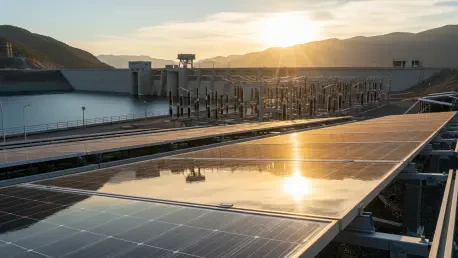

The rapid transformation of the global energy landscape has forced nations to rethink the reliability of traditional renewable sources, especially as climate volatility threatens the consistency of hydroelectric reservoirs. In eastern Turkey, a significant milestone in this transition has been reached with the full operational integration of the Alpaslan 2 hybrid facility, a project that signals a departure from single-source reliance. By marrying the massive kinetic potential of a 280 MW hydropower station with the immediate scalability of a 40 MW photovoltaic system, the facility addresses the inherent limitations of seasonal water flow. This strategic move by Energo-Pro demonstrates a sophisticated method of maximizing existing infrastructure to provide a more stable output to the national grid. Such an approach is not merely about increasing raw capacity but about optimizing the interplay between geography and technology to ensure that energy production remains resilient even during periods of low precipitation or high summer demand.
Beyond the technical merits of energy diversification, the financial framework supporting these projects plays a critical role in their long-term viability and the speed of their implementation. The Alpaslan 2 facility benefits significantly from the Yekdem subsidy mechanism, which provides dollar-denominated support through 2030, offering a layer of economic security against currency fluctuations and market volatility. This fiscal incentive has turned the project into a cornerstone of a Turkish portfolio that now includes 470.4 MW of operational hydropower capacity across seven distinct plants. The success of this dual-source model is rooted in its ability to utilize shared transmission lines and land, reducing the environmental footprint and capital expenditure typically associated with building entirely new greenfield sites. As the largest installation in the developer’s regional holdings, the facility serves as a blueprint for how large-scale engineering can adapt to the rigorous demands of modern energy markets while remaining profitable.
Strategic Integration and the Regional Shift Toward Hybridization
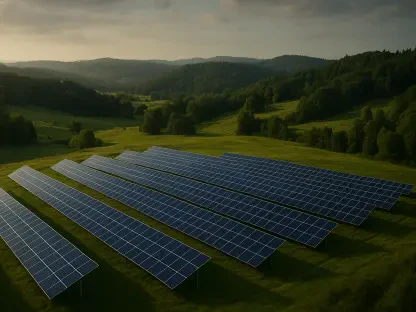
The implementation of the Alpaslan 2 project reflects a much broader industrial trend where energy producers across the Balkans and the Middle East are actively seeking to mitigate the risks of “dry years” through solar augmentation. This shift is characterized by a sophisticated blending of assets, such as the four Francis-type turbines at the Alpaslan dam—comprising two 110 MW and two 30 MW units—which generate an annual average of 700 GWh, now supplemented by solar energy during peak daylight hours. Other major industry players have already paved the way for this transition, notably with the addition of an 80 MW solar array to the Lower Kaleköy hydro facility. These developments indicate that the industry is moving away from the isolated operation of renewable assets in favor of integrated ecosystems. By deploying solar panels on land surrounding reservoirs or even exploring floating PV technology, utilities can effectively “store” water during the day by relying on solar power, then release it for hydroelectric generation when the sun sets.
This regional movement toward hybrid energy systems is gaining significant traction in neighboring countries like Romania, Montenegro, Slovenia, and Albania, where both state-owned utilities and private investors are reassessing their legacy dam infrastructure. In these contexts, the focus has shifted toward the installation of roof-mounted PV units at existing dams and the utilization of water surfaces to host floating solar arrays, which also helps to reduce evaporation rates in critical reservoirs. These initiatives underscore a collective realization that the path to a carbon-neutral future requires more than just adding more capacity; it requires the intelligent management of existing resources through technological convergence. By leveraging the logistical advantages of established power plants, such as existing road access and grid connections, developers are significantly shortening the timeline for bringing new renewable energy online. This creates a more flexible and responsive energy architecture that is better equipped to handle the fluctuations of a modern economy and the challenges of a changing climate.
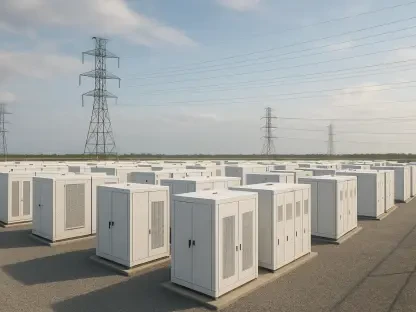
As the industry moves forward, the primary focus must shift toward the standardization of hybrid grid protocols to ensure that these multi-source facilities can communicate seamlessly with national dispatch centers. For project developers and regional planners, the immediate priority should involve conducting comprehensive spatial audits of existing hydroelectric sites to identify underutilized land or water surfaces suitable for solar integration. Furthermore, policymakers should consider extending regulatory frameworks that specifically reward the “balancing” effect of hybrid plants, rather than just the total energy produced. Future investments would benefit from incorporating advanced battery energy storage systems alongside these hybrid setups to capture excess solar generation during midday peaks for use during the evening ramp-up. By focusing on these integrated solutions, stakeholders can transform aging infrastructure into dynamic energy hubs that provide reliable, low-carbon power while maximizing the economic return on every acre of land and every cubic meter of water utilized.