
KloudGin has recently emerged as a formidable force in the utility technology sector, securing a unique dual leadership status in the 2026 IDC MarketScape reports for both Enterprise Asset Management and Field Service Management. This unprecedented achievement underscores a significant shift in how critical infrastructure providers view the relationship between long-term strategic planning and daily operational execution. For decades, the industry relied on fragmented systems that created dangerous gaps in communication and data integrity, often resulting in reactive maintenance rather than proactive stewardship. By successfully bridging these domains, KloudGin is not just offering a new tool but is effectively rewriting the operational playbook for modern utilities. The movement toward a unified architecture reflects a broader recognition that the separation of back-office strategy and on-the-ground reality is an expensive relic of the past that no longer serves the public interest or corporate efficiency in an increasingly demanding global environment.
Bridging the Gap Between Asset Strategy and Field Execution
Achieving Operational Synergy: Through a Unified Platform
To resolve the historical disconnect between the administrative office and the physical field, KloudGin introduced its “Single Face of Work®” platform, which functions as a connected ecosystem rather than a collection of separate modules. This architecture enables a seamless, bi-directional flow of data that ensures all stakeholders, from executives to technicians, are working from the same information in real time. When a technician identifies a specific equipment condition or a failing component during a routine repair, the update is instantly reflected in the broader asset management system. This immediate synchronization provides planners with high-fidelity intelligence for future capital upgrade decisions, ensuring that budgeting is based on current field reality rather than outdated paper reports. Such a high level of transparency eliminates the lag time that typically plagues large-scale infrastructure projects and utility operations.
The operational synergy achieved through this unified platform fundamentally changes the relationship between different utility departments that have traditionally operated in silos. By consolidating data into a single source of truth, organizations can avoid the costly errors associated with manual data entry and conflicting records held in disparate software systems. This transition allows asset managers to visualize the health of their infrastructure with a level of precision that was previously impossible, as every field interaction becomes a data point for long-term strategic modeling. Furthermore, the platform facilitates a more collaborative environment where field workers feel empowered by the knowledge that their observations directly influence the company’s strategic direction. This integrated approach not only improves internal efficiency but also enhances the overall reliability of the services provided to the public.
Enhancing Context and Precision: For Field Crews
The platform also ensures that information flows effectively from the central office to the field, providing technicians with the full historical context of an asset before they even arrive on-site. By automating the dispatch of work orders with complete maintenance histories and required tool lists, KloudGin minimizes the guesswork often associated with complex utility repairs and maintenance tasks. Technicians no longer find themselves at a job site without the necessary parts or the specific technical background of the equipment they are servicing. This level of preparation is critical for safety and efficiency, as it reduces the need for multiple trips and ensures that repairs are performed correctly the first time. The availability of real-time schematics and historical performance data on mobile devices transforms the field worker into a highly informed decision-maker.
This specialized approach, led by CEO Vikram Takru, was designed specifically to overcome the inherent limitations of legacy, general-purpose software that often fails to meet the intricate demands of the utilities sector. Horizontal enterprise resource planning systems frequently lack the granular features required for managing high-voltage electrical grids or complex water distribution networks. KloudGin’s solution addresses these gaps by focusing on the specific workflows of utility workers, incorporating features like offline mobile access and GIS integration that are often treated as afterthoughts by larger software providers. By prioritizing the user experience of the person in the bucket truck or the treatment plant, the technology ensures higher adoption rates and more accurate data collection. Ultimately, providing technicians with precise, context-rich information leads to a more resilient and responsive utility infrastructure.
Adapting to Modern Infrastructure and Environmental Pressures
Addressing the Crisis: Global Infrastructure Resilience
The shift toward unified platforms is being accelerated by a convergence of high-stakes challenges, including aging power grids and water systems that are increasingly prone to failure due to decades of wear. As many utility networks are now over a century old, the industry faces a multi-trillion-dollar modernization hurdle that simply cannot be managed with a patchwork of outdated technologies and manual processes. KloudGin’s platform is built to handle this immense complexity, supporting everything from multi-year capital construction projects to high-speed emergency responses during outages or gas leaks. The ability to manage large-scale infrastructure renewals alongside daily maintenance tasks allows utility companies to balance their long-term growth with immediate operational demands. This versatility is essential for maintaining service continuity while undergoing massive technological and physical overhauls.
In the face of these aging systems, the necessity for a platform that can manage the entire lifecycle of an asset from procurement to decommissioning has never been more apparent. Legacy systems often struggle to track the depreciating value and physical state of assets across their long lifespans, leading to suboptimal replacement cycles and increased risk of catastrophic failure. By using a unified system, utilities can implement more sophisticated asset health indexing, which helps prioritize investments where they are most needed to prevent service interruptions. This proactive stance on infrastructure management is not merely a financial preference but a critical requirement for public safety and economic stability. As the scale of infrastructure projects continues to grow, the reliance on advanced, integrated software becomes the primary differentiator between successful modernization and persistent system decline.
Supporting the Transition: Energy and Climate Resilience
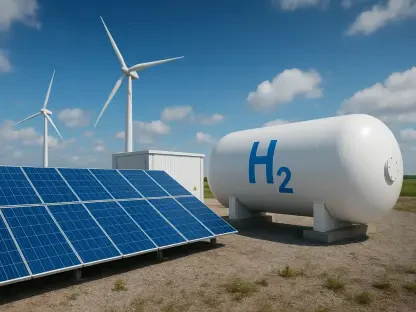
Beyond the physical challenges of aging infrastructure, utilities must also navigate the complex transition to renewable energy and the increasing frequency of extreme weather events across the globe. These macro-environmental pressures require a more dynamic and intelligent grid that can adapt to rapid changes in demand, fluctuating power sources, and sudden environmental stress. By providing a single source of truth, the KloudGin platform allows utility providers to meet strict regulatory mandates and improve infrastructure resilience, ensuring that maintenance is proactive rather than reactive in the face of a changing climate. The integration of renewable sources like wind and solar necessitates a level of grid management that older, static systems were never designed to handle, making modern platforms a prerequisite for the green energy transition.
Climate resilience also demands that utilities have the capability to respond to emergencies with unprecedented speed and coordination, which is only possible when data flows freely across the organization. During a major storm or wildfire, the ability to instantly visualize asset damage and coordinate field crews via a centralized dashboard can save lives and restore service much faster than traditional methods. The platform’s ability to ingest environmental data and correlate it with asset vulnerability allows for preemptive action, such as hardening specific sections of the grid before a predicted weather event occurs. This forward-thinking strategy moves the utility industry away from a “fix-on-failure” mentality toward a more sophisticated model of predictive stewardship. By leveraging technology to anticipate and mitigate environmental risks, utility companies can provide more reliable service in an increasingly unpredictable world.
The Role of AI-Native Architecture and Industry Specialization
Leveraging Intelligence: Machine Learning for Predictive Maintenance
A core differentiator for KloudGin is its AI-native architecture, which integrates machine learning into the foundation of the platform rather than adding it as a secondary, bolt-on feature. This structural decision enables sophisticated capabilities such as predictive maintenance, which forecasts equipment failures by analyzing historical patterns and real-time sensor data before they actually occur. Intelligent scheduling further optimizes the process by automatically assigning work orders to the most appropriate crew members based on their location, current skill level, and the urgency of the task. Because the system utilizes a unified code base, all customers benefit from simultaneous updates and improvements, avoiding the expensive and disruptive software migrations typical of older enterprise software. This ensures that the technology evolves at the same pace as the industry’s needs.
The application of machine learning also extends to the optimization of inventory and supply chain management, ensuring that the right parts are available when a predicted failure is identified. This level of foresight reduces the capital tied up in excess inventory while simultaneously decreasing the time equipment remains out of service. As the AI continues to learn from the vast amounts of data generated by field operations, its recommendations become increasingly accurate, leading to a virtuous cycle of operational improvement. Unlike traditional systems that require manual data analysis, the AI-native platform surfaces actionable insights automatically, allowing managers to focus on high-level strategy rather than sifting through spreadsheets. This shift toward automated, intelligent decision-support systems represents the next frontier in utility management, where data is transformed into a strategic asset.
Challenging the Status Quo: Specialized vs. General Software
The market success of this specialized approach represented a direct challenge to the large, horizontal software providers that had long dominated the utility sector with general-purpose tools. By focusing exclusively on the unique and demanding needs of the utility and public sectors, KloudGin offered specialized features that horizontal giants often struggled to replicate without significant and costly customization. This focus on total operational convergence provided utility leaders with a viable alternative to the compromises inherent in legacy systems, fostering better collaboration and safety across the entire organization. The industry’s shift toward purpose-built platforms indicated a growing dissatisfaction with the “one-size-fits-all” model of enterprise software, which frequently failed to account for the specific regulatory and technical requirements of critical infrastructure providers.
Utility organizations recognized that maintaining the status quo was no longer an option if they intended to survive the pressures of a modern, data-driven economy. The adoption of a unified, AI-driven platform allowed these companies to streamline their operations, reduce long-term costs, and improve the quality of service for their customers. By choosing a specialized partner over a generalist, utility leaders were able to implement more effective safety protocols and ensure that their technical teams had the most advanced tools available. The results achieved by early adopters of this unified philosophy served as a compelling case for the wider industry to move away from fragmented legacy architectures. Ultimately, the transition to a more integrated and intelligent operational model proved to be the most effective path toward achieving long-term sustainability and resilience in a rapidly changing technological landscape.