
The transformation of Maharashtra into a powerhouse of renewable energy is no longer a distant aspiration but a tangible reality driven by a massive strategic shift toward compressed biogas production. With a dedicated allocation of Rs 500 crore for the current 2026–27 fiscal year, the state is aggressively tackling the dual challenges of waste management and energy security. This initiative represents a sophisticated pivot from traditional fossil fuel dependence toward a circular economy where every ton of organic waste is viewed as a valuable resource. By systematically integrating rural agricultural output with urban energy needs, the government is creating a symbiotic relationship that stabilizes the power grid while providing a consistent economic floor for the farming community. The scale of this movement suggests a blueprint that could soon be replicated across the subcontinent, turning environmental liabilities into high-value clean fuel.
Strategic Framework for Waste Transformation
Integration of Diverse Feedstock Sources
Central to the current strategy is the move away from single-source reliance, focusing instead on a highly diversified feedstock model that incorporates everything from municipal solid waste to livestock manure. By utilizing agricultural residues, agro-industrial by-products, and urban organic refuse, the state ensures that compressed biogas (CBG) plants operate at peak capacity regardless of seasonal fluctuations in specific crop cycles. This comprehensive approach prevents the bottlenecks typically associated with biomass energy, where a lack of raw materials often halts production. The Urban Development Department is currently functioning as the primary nodal agency, working in close coordination with various Urban Local Bodies to ensure that city-generated waste is seamlessly diverted to energy conversion facilities. This synergy reduces the burden on overflowing landfills while simultaneously providing the high volumes of organic matter necessary for industrial-scale methane extraction.
Beyond the immediate environmental benefits, the diversification of feedstock serves as a critical economic stabilizer for the rural sector by creating multiple revenue streams for different types of waste. Farmers who previously saw rice straw or sugarcane trash as a disposal problem now have a direct marketplace for these materials, facilitated by decentralized collection hubs. This system is designed to handle varying moisture contents and physical densities of waste, ensuring that even lower-grade organic matter can be processed efficiently. The integration of livestock waste further bolsters this model, allowing dairy cooperatives to contribute to the state’s energy pool while managing their own waste footprint. By establishing these sophisticated supply chains, Maharashtra is building a resilient infrastructure that protects energy producers from the volatility of any single commodity market, ensuring a steady flow of clean gas into the state’s distribution network.
Decentralized Collection and Supply Stability
The operational success of this bioenergy push relies heavily on the establishment of dedicated catchment zones that minimize transportation costs and logistical delays. By creating these localized zones, the state ensures that CBG plants are located in close proximity to the source of their feedstock, which is essential for maintaining the commercial viability of low-density biomass. Farmer Producer Organizations (FPOs) have taken a leading role in this structure, acting as primary aggregation centers that bridge the gap between individual small-holders and large-scale industrial refiners. These organizations provide the necessary equipment for bailing, compacting, and transporting waste, which significantly lowers the entry barrier for individual farmers. This decentralized network not only improves the efficiency of the supply chain but also ensures that the economic benefits of energy production remain within the local communities where the raw materials are grown.
To provide long-term certainty for investors and producers alike, the state has facilitated formal supply agreements that lock in prices and volumes for several years at a time. This contractual stability is vital for securing project financing, as it provides a clear roadmap for revenue and operational costs through the 2026–28 period and beyond. The government is also encouraging Public-Private Partnership (PPP) models to manage these collection hubs, bringing in private sector expertise to optimize logistics and storage. These partnerships are currently deploying advanced tracking technologies to monitor the movement of feedstock in real-time, ensuring that refineries receive a consistent quality of organic matter. By treating the logistics of waste as a sophisticated industrial supply chain, the policy has successfully mitigated the risks of feedstock scarcity that plagued earlier bioenergy attempts, creating a reliable foundation for the state’s ambitious production targets.
Economic Incentives and Infrastructure Development
Financial Mechanisms for Commercial Viability
To accelerate the adoption of bioenergy technology, the state has introduced a robust package of financial incentives that directly address the high upfront capital requirements of CBG projects. The cornerstone of this fiscal support is the Viability Gap Funding (VGF), which provides up to Rs 75 lakh per tonne per day of capacity, effectively capping government support at Rs 15 crore per project. This injection of capital is designed to make bioenergy competitive with traditional natural gas, allowing developers to achieve a faster return on investment while maintaining affordable prices for consumers. Additionally, the policy includes a 2.5 percent reimbursement of the State Goods and Services Tax (SGST), further padding the margins for early adopters. These measures are complemented by concessional land allotments, where project sites are provided at a fraction of the standard Ready Reckoner rates, significantly lowering the barrier to entry for domestic and international firms.
The fiscal framework also extends to the back-end of the production cycle, focusing on the commercialization of bio-fertilizers, which are a primary by-product of the anaerobic digestion process. By creating a standardized market for these organic fertilizers, the state is helping CBG plant operators tap into a secondary revenue stream that enhances the overall profitability of their facilities. This approach aligns with broader agricultural goals of reducing chemical fertilizer use and improving soil health across the region. Financial institutions have responded positively to these state-backed guarantees, showing an increased willingness to provide low-interest loans for green energy projects. By de-risking the sector through targeted subsidies and tax breaks, Maharashtra is fostering a self-sustaining economic ecosystem where private capital can flow freely into the development of high-tech energy infrastructure without the fear of sudden policy reversals.
Streamlined Administration and Essential Services
A critical component of the state’s current leadership in bioenergy is the introduction of a single-window clearance mechanism that has drastically reduced the time required to bring a plant from conception to operation. This administrative reform eliminates the need for developers to navigate multiple government departments, providing a unified portal for environmental permits, construction licenses, and grid connectivity. By granting CBG projects “priority infrastructure status,” the government has ensured that these facilities receive expedited access to essential utilities like high-voltage electricity and industrial water supplies. This status also protects developers from common bureaucratic delays, allowing for more predictable project timelines and reduced carry costs. The reduction in red tape has already led to a surge in applications, with numerous projects currently moving through the approval pipeline toward implementation.
The focus on infrastructure extends to the physical integration of CBG into the existing natural gas grid, ensuring that the clean fuel can be transported efficiently to urban centers and industrial clusters. Strategic investments are being made in gas injection stations and specialized compression technology to facilitate this blending process. Furthermore, the policy encourages the development of retail outlets specifically designed to dispense compressed biogas to the growing fleet of green vehicles. This end-to-end infrastructure development ensures that there are no bottlenecks at the point of sale, providing a clear path from the farmer’s field to the consumer’s tank. By addressing the logistical and administrative challenges of the energy market, the state is creating an environment where technological innovation can thrive, ultimately lowering the carbon footprint of the entire transportation sector while strengthening the regional economy.
Actionable Pathways for Sustainable Growth
The success of Maharashtra’s bioenergy initiatives provides a clear roadmap for stakeholders looking to capitalize on the shift toward renewable fuels. For private investors, the focus should now shift toward technology that enhances methane yield and improves the quality of bio-fertilizer by-products, as these are the keys to long-term profitability in a competitive market. Farmers and cooperatives should prioritize the formation of robust aggregation networks to maximize their bargaining power and ensure they can meet the volume requirements of large-scale refiners. There is also a significant opportunity for engineering firms to develop localized, modular CBG units that can be deployed in smaller districts where large-scale infrastructure may not yet be feasible. By focusing on these specific operational improvements, participants can ensure they remain at the forefront of the state’s energy transition.
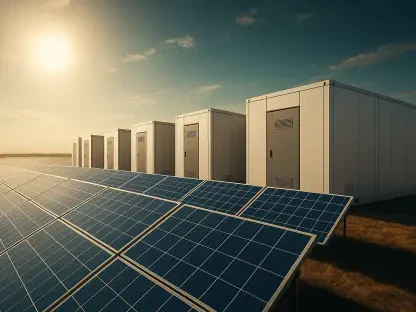
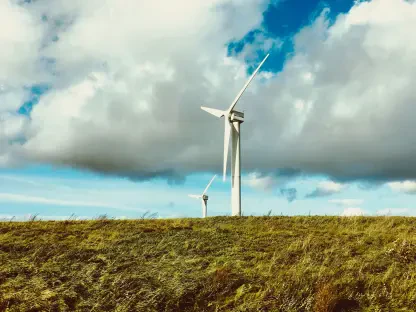
Looking ahead, the integration of bioenergy with other renewable sources like solar and wind will be essential for creating a truly resilient and carbon-neutral power grid. The state is already exploring ways to use excess renewable electricity to power the compression and purification stages of biogas production, further reducing the carbon intensity of the fuel. Future policy developments are expected to focus on the international export of bio-fertilizers and the potential for hydrogen extraction from biogas, opening up even more sophisticated markets. For now, the priority remained the stabilization of the current supply chains and the full utilization of the allocated 2026–27 budget to meet the growing demand for clean energy. By maintaining this momentum, the region is set to remain a global example of how localized waste management can solve national energy challenges while empowering the rural workforce.