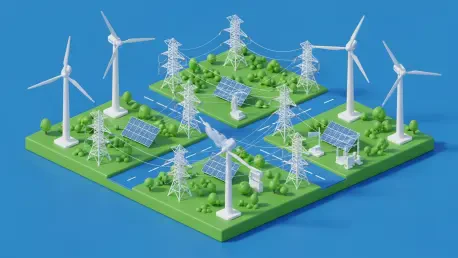

The transition toward a multi-source energy infrastructure marks a definitive moment for Zambia as it seeks to fortify its national electricity grid against the volatile impacts of climate change. By launching its first major wind power initiative, a 40-megawatt project spearheaded by Noubeg Power & Co., the nation is signaling a strategic departure from its historical dependence on hydroelectric sources. This initiative is not merely an expansion of capacity but a fundamental redesign of the energy landscape, intended to safeguard the domestic economy from the increasing frequency of weather-induced power disruptions. As global energy markets continue to shift toward sustainable alternatives, Zambia is positioning itself to capitalize on its natural wind resources to create a more resilient and reliable power supply. This pivot is essential for maintaining consistent industrial output and ensuring that residential consumers are no longer subject to the uncertainties of seasonal rainfall. Through this project, the government provides a clear blueprint for energy modernization.
Strategic Framework and Resource Diversification
Financial Foundation: Technical Assessments and Grant Funding
The inception of this wind energy project was made possible through a significant $1.15 million grant provided by the African Development Bank under the Scaling-Up Renewable Energy Program. This initial capital investment is dedicated to a rigorous five-month feasibility study designed to evaluate the technical, environmental, and social dimensions of the proposed site. By conducting these thorough investigations, the government ensures that every turbine placement is optimized for maximum efficiency while minimizing the footprint on local ecosystems and communities. Such comprehensive preliminary work is indispensable for establishing the bankability of the project, which in turn attracts high-level international private investment. By adhering to international standards of assessment, Zambia is effectively de-risking the venture for global partners, ensuring a competitive bidding process. This systematic approach to project preparation reflects a commitment to sustainable infrastructure development.
Climate Resilience: Addressing the Volatility of Hydropower
Historically, Zambia has relied on hydropower for more than 80 percent of its total energy capacity, a strategy that has become increasingly precarious due to shifting climate patterns. Recent severe droughts have caused water levels in major reservoirs to plummet to record lows, necessitating widespread load shedding and causing significant economic strain. The introduction of wind energy offers a natural solution to this vulnerability, as wind speeds in the region typically intensify during the very months when water-driven power generation is most compromised. This project serves as a cornerstone for the broader National Energy Compact, which seeks to elevate the share of non-hydro renewable energy in the national mix from 3 percent to 33 percent by 2030. By integrating wind assets with existing solar and hydro installations, the grid achieves a state of technological synergy that ensures a more stable flow of electricity. This diversification is the primary defense against the unpredictability of a changing environment.
Economic Security and Infrastructure Development
Industrial Stability: Securing the Mining Sector and National Revenue
The success of Zambia’s energy transition is inextricably linked to the stability of its massive mining sector, particularly regarding the production of copper which is vital for the global economy. Mining operations require an immense and uninterrupted supply of high-voltage power to function safely and efficiently, making them particularly sensitive to any fluctuations in grid performance. By bolstering the grid with wind power, the government is providing a critical safety net for these industrial hubs, ensuring that the primary driver of national revenue remains shielded from energy shortages. Maintaining global competitiveness in the extractive industries necessitates a reliable and cost-effective power supply that can meet demand around the clock. As wind energy contributes to a more balanced energy profile, it reduces the need for expensive emergency power imports during peak dry seasons. This improved energy security protects existing jobs and encourages further investment in downstream industrial processes.
Regional Leadership: Modernization and Sustainable Infrastructure
Expanding the role of wind energy necessitated a substantial modernization of the national transmission and distribution networks to accommodate variable power inputs. Current feasibility studies meticulously identified specific geographical locations where new wind turbines could be integrated without overstressing the existing electrical infrastructure. Engineers focused on developing smart grid technologies that managed the intermittent nature of wind, ensuring that the addition of this clean resource enhanced rather than compromised the overall stability of the power delivery system. Stakeholders established a clear framework that positioned Zambia as a regional leader within the Southern African Power Pool by demonstrating the viability of large-scale renewable integration. This transition signaled to international markets that the country remained committed to a stable, decarbonized industrial environment. By prioritizing infrastructure upgrades, policymakers successfully laid the groundwork for sustainable growth.