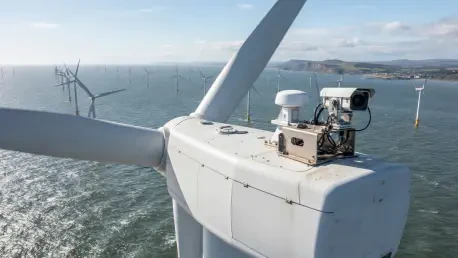
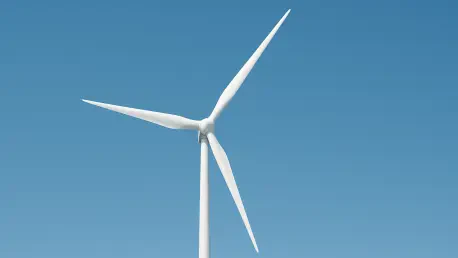
By aligning experimental erosion models with IEA Wind Task 46 morphological categories, researchers have established a roadmap for the financial consequences of surface degradation. This pioneering investigation conducted at the University of Stavanger moves past qualitative observations to

Upgrading to LED lighting systems equipped with daylight and occupancy sensors serves as a fundamental step in eliminating unnecessary energy usage across the campus. This initiative represents a pivotal element within a broader decarbonization strategy developed by Imperial College London in

The specific network signatures created by lateral transfers of model weights provide a new telemetry point for identifying infected IoT clusters. This shift marks a radical transformation as the traditional boundaries between static code and adaptive intelligence begin to blur. For decades,

Analyzing the distribution and variance of sensor values over short intervals allows for the detection of measurement deviations that signal a looming peak. This technological leap addresses the central vulnerability of airborne wind energy, a field that replaces static turbines with dynamic,
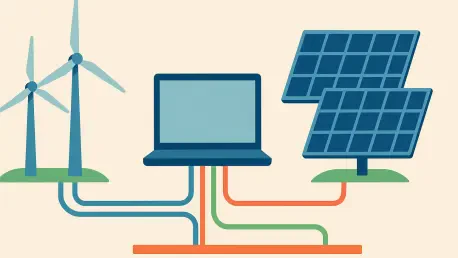
Integrating a human-in-the-loop philosophy ensures that AI tools act as coworkers rather than replacements for experienced energy managers. As the global shift toward sustainable power intensifies through 2026, the volume of data generated by decentralized energy assets has reached a point where

The rapid proliferation of synthetic media has transformed the golden age of broadcast into a complex digital frontier where the distinction between reality and fabrication blur with every passing frame. As artificial intelligence continues to permeate every facet of media production, California