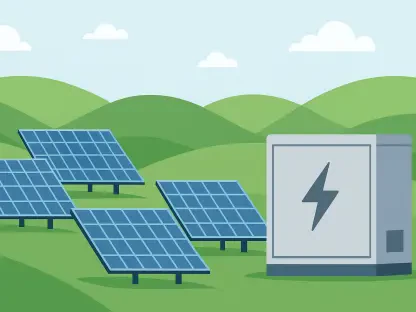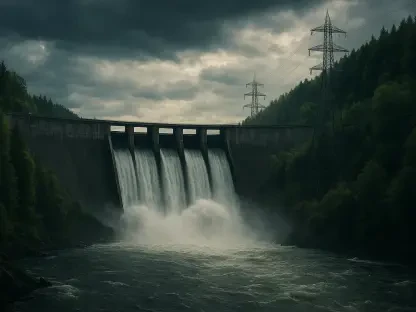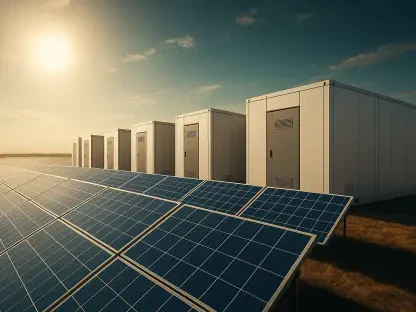

The transition towards sustainable energy practices hinges on innovative strategies, and energy storage has emerged as a cornerstone in this evolution. Arizona Public Service (APS) and Strata Clean Energy are leading this movement with their recent projects aimed at bolstering grid reliability and

New York state is exploring innovative strategies to improve the reliability of its electrical grid while simultaneously reducing emissions. One promising approach is the implementation of demand response (DR) programs. These programs encourage end-users to adjust their power consumption in
Equinor ASA, a significant entity in the global energy sector, is downsizing its renewables unit, signaling a strategic shift from expansion to profitability in light of high costs and reduced returns. This decision comes at a time when many European utilities are reassessing their renewable
The recent election results have triggered a wave of anxiety and uncertainty in the renewable energy sector, with many investors fearing the potential policy changes that could arise under a Trump administration. These fears have manifested in a sharp decline in renewable energy stocks, as market

In a significant move towards a cleaner energy future, the North Carolina Utilities Commission (NCUC) has approved an ambitious integrated resource plan (IRP) for Duke Energy Progress and Duke Energy Carolinas. This plan, proposed in August, aims to balance energy reliability with substantial
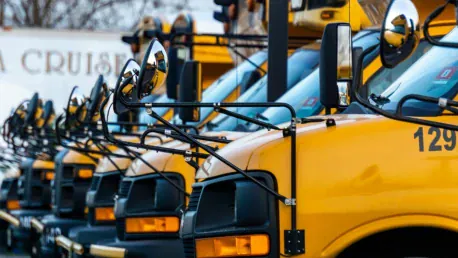
New York City is taking a bold step toward a sustainable future with a groundbreaking pilot project in Brooklyn. This $9 million initiative, led by Con Edison and First Student, aims to revolutionize the integration of electric school buses into the urban power grid. The project is not just about