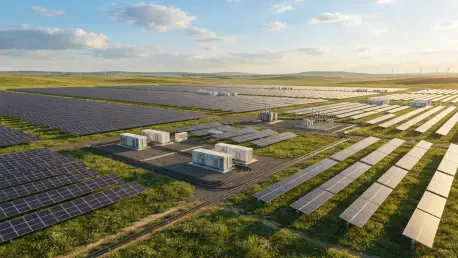

The landscape of American renewable energy is undergoing a fundamental transformation as utility-scale solar projects move beyond simple electricity generation toward sophisticated, integrated energy management systems. According to data released by the U.S. Energy Information Administration, this shift is characterized by a rapid integration of battery storage technology within large-scale solar installations. As of September 2026, over 16 percent of new utility-scale solar capacity is accompanied by dedicated battery storage, representing a massive increase from the modest 2 percent recorded in 2017. Current projections suggest this trend will accelerate significantly, with co-location rates expected to reach 19 percent by the end of 2026 and surpass 30 percent by 2028. This evolution marks a departure from traditional generation-only models, reflecting a nationwide push to stabilize the grid and maximize the utility of every megawatt-hour produced during the day. This systemic change is redefining how utility companies and private developers approach long-term energy infrastructure and investment.
Economic Drivers and the Rise of Energy Arbitrage
The primary catalyst for this shift is the economic and operational optimization provided by co-locating these distinct technologies within a single facility. The core advantage lies in the ability of operators to manage energy output in direct response to wholesale price fluctuations that occur throughout the trading day. In markets with high solar penetration, electricity prices often drop toward zero during peak daylight hours when the sun is brightest and supply is abundant, only to rise significantly as production tapers off in the late afternoon. Battery systems allow facility managers to capture and store excess energy during these low-price periods and deploy it when the demand peaks and costs are highest. By engaging in this form of energy arbitrage, developers are able to maximize the total value of the power they generate. This capability essentially transforms a variable energy source into a dispatchable asset that can provide electricity exactly when the grid needs it most.
Geographic factors also play a critical role in the adoption of these hybrid systems, with the Southwestern United States emerging as the primary hub for such innovation. In states like California, Arizona, New Mexico, and Nevada, the co-location rates are already double the national average, sitting comfortably at 18 percent as of late 2026. These regions possess the ideal combination of intense solar irradiance and a progressive regulatory environment that incentivizes grid-edge technology. Large-scale installations in these areas are increasingly viewed not just as power plants, but as critical components of regional energy security. The success of integrated projects in the Southwest provides a scalable blueprint for other regions where solar capacity is expanding. As the technology matures and the supply chain for battery chemistries stabilizes, the regional disparity in adoption is expected to shrink as more states recognize the inherent value of storage to prevent system outages and manage load more effectively.
Strategic Implementation and Long-Term Infrastructure Insights
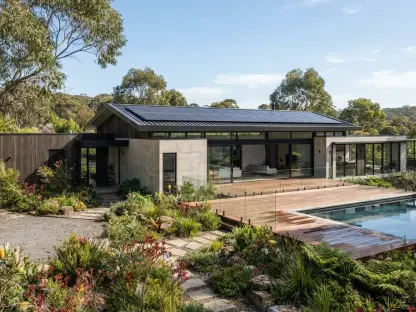
Small business owners and commercial developers viewed this technological trend as a dual narrative characterized by both unprecedented opportunity and significant operational challenge. On the positive side, adopting integrated solar and storage systems offered a reliable path toward long-term energy resilience and price stability. By generating their own power and storing it for later use, businesses shielded themselves from the volatility of the commercial energy market while aligning their operations with growing consumer demand for sustainable practices. However, the transition involved substantial hurdles, including high upfront installation costs and the logistical complexities of system integration. Integrating battery systems into existing commercial infrastructure often required extensive electrical upgrades and new software for energy management. Furthermore, the fluctuating nature of state and federal regulations added a layer of financial uncertainty to these high-stakes investments during the early adoption phase.
To successfully navigate this transition, entrepreneurs explored various creative financing options, such as power purchase agreements and energy-as-a-service models, to mitigate the burden of capital expenditures. Consulting with specialized energy engineers and legal experts allowed firms to capitalize on the evolving regulatory landscape while minimizing the risks associated with technical failure. This proactive approach ensured that businesses remained resilient in a rapidly changing utility environment. Organizations that prioritized high-density storage solutions found that they could maintain operations during peak demand windows without incurring heavy surcharges. By integrating these systems, leaders developed a blueprint for future infrastructure that balanced immediate operational needs with long-term ecological goals. The decision to invest in storage technologies ultimately positioned these entities as leaders in a modernized economy that valued grid stability and sustainable growth.