
Colorado is currently undergoing a massive shift in waste management, aiming to move from a state with historically low diversion rates to a premier model of the circular economy within the United States. While the national average for recycling has hovered around thirty-two percent, Colorado previously struggled to reach half of that figure, particularly in rural mountainous regions where logistics and transportation costs often made traditional collection methods prohibitively expensive. The implementation of comprehensive state legislation has finally started to bridge these gaps, providing the financial and logistical framework necessary to standardize services across both urban centers and remote communities. This transition involves a fundamental restructuring of who pays for and manages the lifecycle of packaging materials and paper products. By shifting the burden of costs from taxpayers to companies, the state is incentivizing more sustainable design and funding the modernization of sorting facilities.
Regulatory Frameworks and Corporate Accountability
The Impact: Implementing Producer Responsibility
The Producer Responsibility Program represents the cornerstone of Colorado’s current recycling strategy by requiring manufacturers of packaging and paper products to fund a statewide recycling system. This model ensures that companies producing plastic bottles, cardboard boxes, and aluminum cans are financially responsible for the end-of-life management of these materials. By establishing a non-profit Producer Responsibility Organization, the state created a centralized mechanism to collect dues from producers based on the volume and recyclability of the materials they bring into the market. This system effectively creates a steady stream of revenue that is independent of municipal budgets, allowing for long-term investments in advanced optical sorting technologies and chemical recycling processes that were previously out of reach. Consequently, the financial risk of market fluctuations in commodity prices is no longer a primary barrier to maintaining local programs across various municipalities.
Design Shifts: Incentivizing Sustainable Packaging
Beyond the immediate financial benefits, the producer responsibility model encourages a shift in industrial design toward more easily recyclable or compostable materials to avoid higher fee structures. Manufacturers are now re-evaluating their supply chains, opting for mono-material plastics and eliminating hard-to-recycle additives that often contaminate the waste stream. This shift is critical because it addresses the problem at the source, ensuring that the materials entering the system have a higher probability of being processed into high-quality secondary raw materials. As these design changes become standard, the overall efficiency of Materials Recovery Facilities increases, reducing the amount of residual waste that must be sent to landfills. This systematic change is fostering a more resilient market for recycled glass and plastic, as brands increasingly seek to meet internal sustainability targets and comply with new state regulations. This alignment of interests is a powerful catalyst.
Infrastructure and Local Economic Growth
Modernization: Expanding the Collection Network
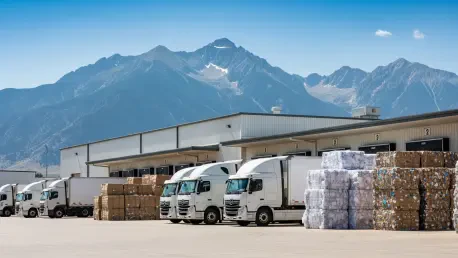
To achieve a leadership position, Colorado is aggressively expanding its physical infrastructure to ensure that every resident has access to convenient recycling services. The state is rolling out a series of regional hub-and-spoke models where smaller communities collect materials and transport them to large, centralized processing centers equipped with AI-driven sorting systems. These facilities are designed to handle a wider variety of materials, including flexible plastics and multilayered cartons, which have historically been rejected by older machinery. By centralizing the high-cost sorting operations, the state can leverage economies of scale that make recycling more viable in the sparsely populated Western Slope and Eastern Plains. Furthermore, the development of local end-markets for processed materials, such as glass for insulation, reduces the carbon footprint associated with transporting waste across state lines and keeps significant economic value within the region.
Strategic Evolution: Sustaining Long Term Success
The path forward for Colorado required a sustained commitment to refining the logistics of the Producer Responsibility Program while ensuring that rural accessibility remained a top priority. Stakeholders recognized that the initial success of these policies depended on the continuous monitoring of material flows and the adaptation of fee structures to reflect changing market realities. To maintain this leadership position, the state invested in more comprehensive data tracking systems that allowed for the transparent reporting of diversion rates and economic impacts. Local municipalities collaborated more closely with private industry to identify gaps in the processing chain, leading to the establishment of specialized facilities for organic waste and textile recovery. This proactive stance ensured that the state did not just meet its targets but exceeded them by fostering an environment where innovation thrived and circular principles were integrated into the core of the state’s identity.