
The historic skyline of Havana, characterized by its intricate Baroque facades and sun-drenched coastal vistas, is currently facing a stark and unyielding contrast in the form of mounting urban waste that lines its narrow thoroughfares. Throughout the various municipalities, piles of garbage have grown to unprecedented heights, creating a logistical and environmental crisis that far exceeds the traditional capabilities of the local sanitation departments. This situation is the direct result of a complex interplay between chronic fuel shortages, a lack of spare parts for the aging fleet of Japanese and Russian collection vehicles, and a centralized management system that is struggling to adapt to rapidly changing economic realities. As the debris accumulates, the resulting odors and health hazards are not only affecting the daily lives of residents but are also threatening the city’s reputation. The search for sustainable, localized solutions has moved from a theoretical discussion to a practical necessity.
The Structural Breakdown: Infrastructure and Resource Constraints
Logistical Failures: Mechanical and Fuel Limitations
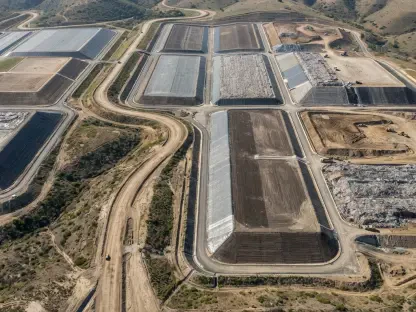
The primary driver of the current waste accumulation is the catastrophic failure of the heavy machinery required to transport massive quantities of refuse to the city’s designated landfills. Most of the specialized trucks currently in use were procured through international agreements years ago, and they now require specialized maintenance that is frequently unavailable due to import restrictions and global supply chain disruptions. When vehicles break down, they often remain idle for months, effectively reducing the active fleet to a fraction of the capacity needed to service a metropolis of over two million people.
Beyond the mechanical failures, the scarcity of diesel fuel has created a bottleneck that paralyzes even the functioning portions of the sanitation fleet. Collection schedules have become increasingly erratic, leading to a situation where residents have little choice but to deposit their waste in communal piles. This lack of consistency prevents the implementation of organized waste reduction strategies, as the focus remains on clearing backlogs with insufficient resources.
Environmental Impact: Health Hazards and Flooding Risks
The environmental repercussions of uncollected waste are becoming increasingly severe as the tropical climate accelerates the decomposition of organic materials within the street-level piles. This process releases toxic leachates that can penetrate the aging sewer infrastructure, potentially contaminating the groundwater and creating fertile breeding grounds for disease-carrying vectors like mosquitoes and rodents. Recent reports from community health centers suggest a correlation between the proximity of these waste sites and an uptick in respiratory issues and gastrointestinal infections among the local population.
Furthermore, the frequent heavy rainfall characteristic of the Caribbean region exacerbates the problem by washing loose debris into the city’s coastal waters and blocking drainage pipes. This leads to localized flooding during minor storms, as the accumulated plastic and organic matter prevent the efficient runoff of water. The resulting stagnant pools not only increase the risk of waterborne diseases but also contribute to the long-term degradation of the city’s foundations.
Decentralized Resilience: Innovation and Local Governance
Private Enterprise: The Emergence of the Circular Economy
In response to the limitations of state-run services, a burgeoning sector of small and medium-sized private enterprises has begun to explore the economic potential inherent in urban refuse. These micro-businesses focus on the collection and processing of high-value materials such as plastics, aluminum, and cardboard, which can be repurposed into new consumer goods or industrial components. By treating waste as a raw material rather than a burden, these entrepreneurs are creating a localized circular economy that provides employment while simultaneously reducing the volume of material that reaches the city’s overstrained landfills.
The success of these private initiatives often depends on their ability to engage directly with the community through innovative incentive programs that encourage residents to pre-sort their trash. Some startups have implemented digital platforms to coordinate the pickup of recyclables, bypassing traditional bureaucratic delays and providing a more agile response. While these enterprises currently operate on a small scale, they represent a significant shift in how the city perceives waste management.
Strategic Collaboration: Policy Shifts and Sustainable Growth
Strategic long-term solutions are increasingly focusing on the integration of community-led initiatives with formal governmental frameworks to create a more robust sanitation network. This collaborative approach involves decentralizing the responsibility for waste management, allowing individual neighborhoods to manage their own composting sites and local collection points. By providing local leaders with the authority and resources to handle waste at the source, the city can reduce the logistical burden on the central fleet and ensure that organic materials are diverted from the general waste stream before they become a health hazard.
The transition toward these localized models represented a fundamental change in the urban management philosophy of the capital during the mid-twenties. Stakeholders observed that the most effective interventions were those that combined technological innovation with grassroots participation and international standards. Authorities prioritized the acquisition of smaller, more efficient electric vehicles for neighborhood-level collection while investing in large-scale processing facilities. This strategy successfully stabilized the environment and provided a blueprint for other urban centers.