
Governmental fiscal shifts, including the phase-out of tax benefits and the introduction of new CO2 levies, are creating a volatile economic landscape for growers. This shift occurs at a time when the Dutch horticultural sector is under immense pressure to achieve climate neutrality without sacrificing international competitiveness. While the ultimate goal remains a complete transition to renewable sources, the immediate reality necessitates a nuanced approach to energy management. The Dutch greenhouse industry has long relied on Combined Heat and Power (CHP) units as a backbone for both heat and electricity production. These systems do more than just provide warmth; they act as decentralized power plants that contribute significantly to the national grid’s resilience. As the country moves toward a greener future, the conversation is shifting from whether CHP should be discarded to how it can be optimized as a bridge technology. Understanding this evolution is crucial for stakeholders who must navigate the fine line between environmental responsibility and operational viability in a rapidly changing market.
The Dual Role of Combined Heat and Power in Modern Agriculture
Grid Stability: Part 1. Managing Variable Supply
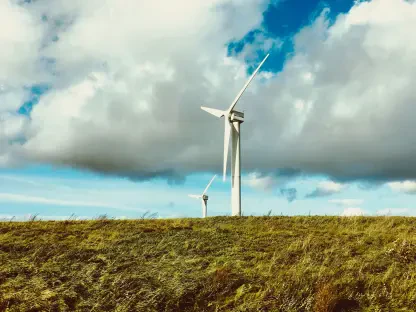
The reliance on intermittent renewable energy sources like wind and solar has introduced a high degree of volatility into the Dutch national electricity grid. On days when the sun does not shine and the wind is still, the grid faces significant shortages that must be addressed instantaneously to prevent blackouts. This is where CHP systems prove their worth by offering highly flexible, dispatchable power that can be ramped up or down in response to real-time demand. Unlike large-scale power plants that require hours to reach full capacity, modern gas-fired CHP units used in greenhouses can respond to price signals within minutes. This flexibility allows growers to capitalize on high electricity prices during peak demand hours, effectively turning their energy generation into a secondary revenue stream. By providing this critical balancing service, the horticultural sector acts as a distributed battery for the nation, ensuring that the transition to renewables does not compromise the stability of the overall energy infrastructure.
Grid Stability: Part 2. Providing Essential Balancing Services
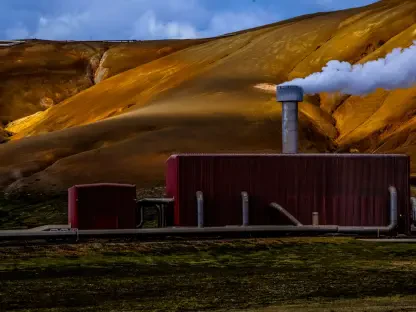
Furthermore, the role of CHP extends beyond simple electricity generation to the sophisticated management of the imbalance market. Greenhouse operators frequently use their engines to stabilize frequency deviations in the grid through automated systems that communicate directly with Transmission System Operators like TenneT. This symbiotic relationship ensures that the Dutch power system remains one of the most reliable in Europe, even as the share of variable weather-dependent energy grows. Without the decentralized capacity provided by these units, the cost of grid stabilization would likely skyrocket, as the state would be forced to invest in massive, less efficient standby facilities. The current infrastructure allows for a more organic distribution of load, where localized energy production meets localized demand. This minimizes transmission losses and provides a safety net during extreme weather events. Consequently, the CHP remains a technical necessity for the foreseeable future, bridging the gap between fossil dependence and a fully electrified system.
Future-Proofing Horticulture Through Hybrid Integration
Hybrid Systems: Part 1. Integrating Heat Pumps and Electric Boilers
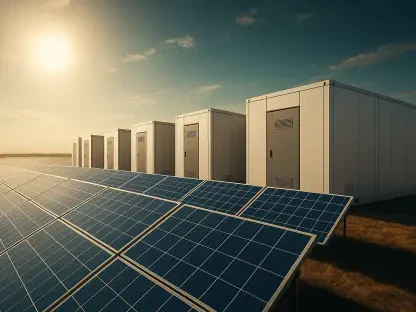
The transition away from fossil fuels does not imply a binary choice between old and new technologies, but rather a sophisticated hybrid integration. Many forward-thinking Dutch growers are now pairing their existing CHP units with industrial-scale heat pumps and electric boilers. This hybrid setup allows for maximum operational flexibility, as the system can switch between gas and electricity based on which source is cleaner or cheaper at any given moment. During periods of negative electricity prices—a phenomenon becoming more common on sunny weekends—the electric boiler can consume excess grid power to heat water, while the CHP remains idle. Conversely, during cold winter peaks when the grid is strained, the CHP takes over, providing both heat for the plants and much-needed electricity for the neighborhood. This synergy reduces the total carbon footprint of the facility while providing a level of reliability that a single-source system could never achieve. The hybrid approach essentially de-risks the transition by providing redundancy.
Hybrid Systems: Part 2. Implementing Long-Term Energy Solutions
To thrive in this environment, businesses adopted integrated energy management systems that prioritized long-term resilience over short-term savings. The focus shifted toward diversifying energy assets and investing in the modularity of heating systems to accommodate future fuel sources like hydrogen or biomethane. Decision-makers realized that the CHP was not a relic of the past but a versatile tool that anchored the transition to a sustainable future. It was recommended that growers conduct thorough energy audits to determine the optimal balance between their co-generation units and new renewable installations. By maintaining a well-maintained CHP fleet, operators ensured they could still meet their CO2 requirements while contributing to a stable national grid. Future success depended on the ability to remain agile, leveraging the flexibility of gas-fired systems as a bridge until full-scale electrification became feasible. Ultimately, the Dutch model demonstrated that a pragmatic, multi-technology approach provided the safest path toward a carbon-neutral economy.