
The Multi-Solving Action for Methane Reduction initiative focuses on building stakeholder capacity to implement modern waste technologies at the local level. Nigeria is currently navigating a pivotal shift in its environmental policy, focusing on the Multi-Solving Action for Methane Reduction in Nigeria (MAMRN) project. This federal initiative aims to transform the country’s waste management landscape by targeting methane emissions from municipal dumpsites, which have long been a source of both environmental degradation and untapped economic potential. By aligning domestic strategies with the Global Methane Pledge, the government seeks to foster a low-carbon economy that balances international climate obligations with the immediate need for sustainable local development. The urban landscape has long struggled under the weight of mounting refuse, yet a transformative spirit is finally taking root across the federation. This shift isn’t just about cleaning the streets; it is a calculated economic pivot toward a sophisticated recovery model that treats every ton of waste as a potential asset for the future.
Strategic Governance and Institutional Synergy
Collaborative Frameworks: Unifying Climate Action
The orchestration of such a massive structural change requires more than just goodwill; it demands a rigid yet flexible governance structure that can withstand administrative transitions. The National Council on Climate Change (NCCC) has taken the lead in this regard, acting as the central nervous system for environmental policy and technical oversight throughout the country. By collaborating closely with the Ministry of Environment, the NCCC ensures that every piece of legislation translates into measurable action on the ground rather than remaining as abstract theory. This synergy is crucial for breaking down the silos that often hinder large-scale infrastructure projects. Instead of isolated departments working in a vacuum, there is now a unified front involving technical experts, private sector investors, and legislative bodies. This collaborative approach is designed to sustain itself across different political cycles, ensuring that the momentum for methane reduction remains a top priority for national development.
Building on this institutional foundation, the government is actively developing a comprehensive National Action Plan designed to bridge the gap between high-level policy and practical, grassroots execution. This strategy is not merely a regulatory burden but a coordinated economic mandate that builds capacity across all tiers of government, from federal ministries to local municipal councils. By bringing together technical experts and private sector stakeholders, Nigeria is creating a roadmap that professionalizes the waste sector. This inclusive process ensures that the voices of those working directly in waste collection and processing are heard, leading to more realistic and achievable targets. The ultimate goal is to foster a sense of shared ownership over the nation’s environmental health, where every stakeholder understands their role in the broader climate strategy. This collaborative framework serves as a model for how emerging economies can align their domestic growth with the rigorous demands of international climate agreements.
Implementation Strategies: Moving From Policy to Practice
Turning a strategic vision into a functional reality involves the meticulous implementation of technical guidelines that can be applied at the municipal level. The National Action Plan serves as the definitive guide for professionalizing the waste management sector, which has historically operated on the fringes of the formal economy. The NCCC provides the technical blueprints necessary for states to upgrade their existing facilities, moving from open-air dumpsites to modern sanitary landfills equipped with methane capture technology. This transition requires significant investment in infrastructure, but it also necessitates a shift in the operational mindset of local authorities. By providing clear standards for waste sorting and gas collection, the federal government is enabling local administrators to manage their jurisdictions more effectively. This systematic approach ensures that the reduction of methane emissions is treated as a core utility service, similar to water or electricity, rather than an optional environmental project.
As these implementations take hold, the focus remains on creating a transparent and accountable framework that satisfies the rigorous requirements of the Paris Agreement. This roadmap emphasizes the importance of stakeholder engagement, aiming to equip local authorities and private enterprises with the tools needed to adopt modern waste technologies. By formalizing these partnerships, the government hopes to create a climate of trust that attracts both domestic and international investment. Data collection and reporting are becoming standardized, allowing for real-time tracking of emission reductions and the economic benefits derived from waste-to-energy projects. This level of transparency is essential for accessing global climate finance and ensuring that resources are utilized efficiently. The professionalization of the waste sector not only helps in meeting climate targets but also elevates the status of waste workers, providing them with safer working conditions and more stable livelihoods within a formal economic structure.
Environmental Resilience and the Circular Economy
Public Health: Mitigating the Impact of Methane
The environmental consequences of methane are felt far beyond the atmosphere, manifesting in the everyday health and safety of citizens living near major urban centers. Methane is a potent greenhouse gas with a heat-trapping capacity far exceeding that of carbon dioxide, primarily generated by the decomposition of organic matter in open dumpsites. In Nigeria, poor waste disposal practices have also been directly linked to urban flooding, as unmanaged debris blocks vital drainage channels during heavy rainfall. By prioritizing methane reduction through improved waste sorting and collection, the government can simultaneously combat global warming and reduce the severity of local flood risks. This dual benefit is critical for building urban resilience in a country where seasonal rains can often lead to devastating property damage and loss of life. Removing organic waste from the streets effectively eliminates the fuel for methane production while keeping the infrastructure of the city functioning as intended.
Beyond the physical threat of flooding, the reduction of methane emissions and the cleanup of dumpsites have a direct and positive impact on the general public health of the nation. Open dumpsites are notorious breeding grounds for disease vectors, including mosquitoes, rodents, and various pathogens that thrive in rotting organic material. By transitioning to closed, managed systems, the government is effectively eliminating these hazards from the urban environment. This approach leads to a measurable decrease in waterborne diseases and respiratory issues among populations living in close proximity to waste disposal areas. The cleanup of the air and water around these sites is a fundamental component of the government’s strategy to improve the quality of life for its citizens. This shift proves that climate action is essentially a public health intervention, providing a safer and more resilient urban environment for all. It demonstrates that environmental policy, when executed correctly, can yield immediate and tangible benefits for the most vulnerable members of society.
Resource Recovery: Transitioning to a Circular Model
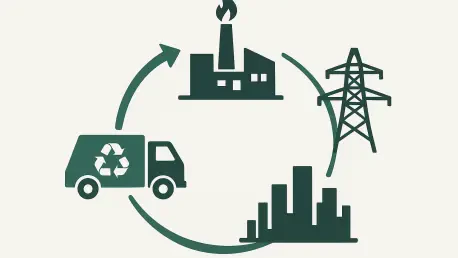
The waste-to-wealth paradigm represents a fundamental shift in how the nation views refuse, moving from a liability-based mindset to one centered on resource recovery. This circular economy model encourages the segregation of waste at the source, significantly reducing the volume of organic materials that reach landfills and produce methane. Through systematic recycling and composting, Nigeria aims to recover valuable materials that can be reintegrated into the manufacturing sector and bolster national energy security. This process begins at the household level, where citizens are encouraged to separate plastics, metals, and organic matter. This simple act of separation significantly increases the purity of the waste stream, making industrial recycling more economically viable. By viewing waste as a raw material rather than a problem to be buried, the nation is opening up new avenues for industrial growth and reducing its dependence on imported materials. This transition is a key step toward achieving a truly sustainable and self-sufficient economy.
The transition to sustainable waste management offered a fertile environment for Micro, Small, and Medium Enterprises to thrive within the emerging green economy of the region. Fulfilling international climate commitments became the catalyst for a broader national renewal that extended far beyond the immediate goals of the Global Methane Pledge. By striving for a thirty percent reduction in emissions by 2030, the government successfully integrated its local waste management strategies into a global narrative of progress and responsibility. This alignment facilitated greater access to international expertise and green technology, which accelerated the modernization of the entire infrastructure sector. Moving forward, the focus shifted toward the consistent enforcement of updated regulations and the cultivation of a nationwide culture of environmental consciousness. Public participation became the cornerstone of this evolution, as citizens recognized that their daily habits directly influenced the country’s economic and environmental health. Ultimately, the nation established a resilient framework that balanced industrial growth with the urgent need for a sustainable future.