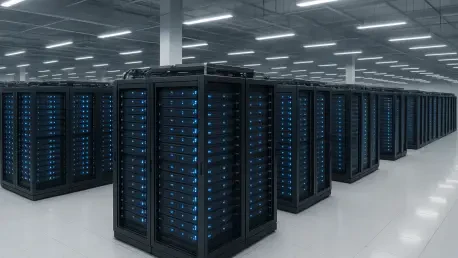

The hum of thousands of cooling fans echoing across once-silent cornfields marks the front line of a battle for America’s technological and economic sovereignty. This expansion of data centers has become a flashpoint in national politics, pitting the federal government’s drive for supremacy against the immediate concerns of local communities. As the digital backbone of the modern world, these massive computing hubs are essential for the survival of the artificial intelligence revolution. However, the physical reality of their construction is sparking a grassroots rebellion that spans the country. This analysis explores the friction between the vision of a “Data Reign” and an electorate worried about the localized costs of a global tech race. By examining the political and social dimensions of this conflict, one gains insight into a struggle redefining the American landscape.
The Evolution of the American Industrial Blueprint
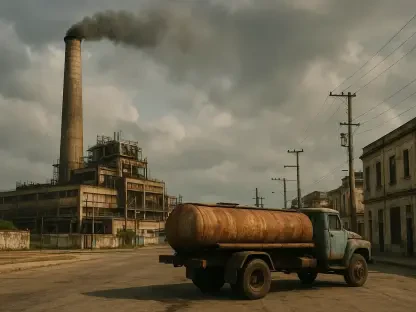
To understand the current friction, one must look back at the shift from traditional manufacturing to the digital infrastructure age. Historically, local communities welcomed industrial hubs as engines of middle-class prosperity. However, the transition to data-driven industry has been swifter and more intrusive than previous economic shifts. Over the last few years, the explosion of cloud computing and AI has required an unprecedented amount of land, energy, and water. This background is crucial because it highlights a fundamental disconnect. While the federal government views data centers as vital for national security and economic sovereignty, voters often perceive them as silent, energy-hungry warehouses that offer few jobs once the initial construction phase ends.
The Geopolitical Mandate versus Neighborhood Reality
The National Security Argument: Technological Dominance
From a federal perspective, the proliferation of data centers is an existential necessity. President Trump has framed this expansion as a race against global adversaries, most notably China, suggesting that domestic obstruction is a gift to foreign competitors. By labeling these facilities the “Golden Goose” of the modern economy, the administration argues that the “Data Reign” is the only path to preventing the United States from falling behind. This perspective relies on data suggesting that AI leadership will dictate the next century of power, making the localized complaints of residents seem like small hurdles in the face of a grander mission.
Local Economic Anxiety: The Infrastructure Burden
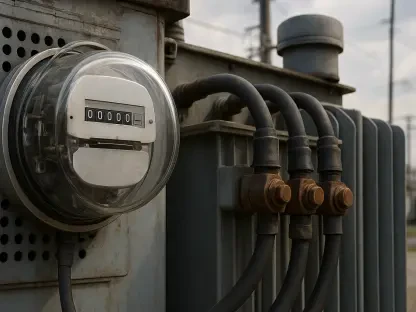
Despite the grand narrative of national prosperity, polling indicates a significant majority of Americans are wary of having these facilities in their backyards. The benefits promised by developers—such as lower tax rates—often pale in comparison to the immediate strain on local resources. Residents frequently point to the massive energy consumption of these hubs, which can lead to inflated utility bills for ordinary households and put immense pressure on aging power grids. Furthermore, the environmental impact and the transformation of suburban landscapes into industrial districts have fueled a sense that the quality of life is being sacrificed for a corporate agenda.
Political Volatility: The 2026 Midterm Landscape
The clash has transcended local zoning boards to become a defining wedge issue in the current 2026 midterm elections. Candidates are finding that a pro-development stance is now a political liability. In states like Ohio and Wisconsin, political opponents are using data center projects as a branding weapon to damage rivals’ reputations. This has forced even seasoned politicians to pivot; some are now advocating for local veto power over federal mandates. This complexity reveals a growing regional divide where the “all-of-the-above” energy strategy is meeting a “not-in-my-backyard” movement that is organized, bipartisan, and electorally potent.
Anticipating the Regulatory and Technological Shift
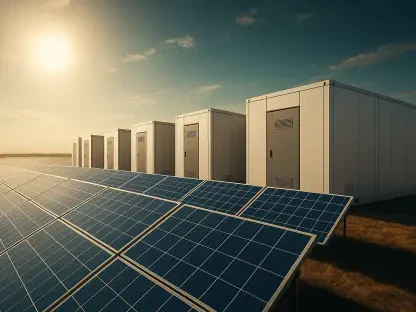
The future of data center growth will likely be shaped by a combination of regulatory reform and technological innovation. One can expect a push for federal legislation that attempts to streamline the permitting process, potentially overriding local resistance in the name of national interest. Simultaneously, the industry is under pressure to innovate—exploring modular designs, liquid cooling, and on-site small modular reactors to reduce the strain on public infrastructure. Experts predict that the tension will only escalate until a more equitable model for sharing the economic benefits is established, ensuring that the communities hosting these digital titans are not left bearing the costs alone.
Navigating the Path Between Progress and Preservation
For businesses and policymakers, the path forward requires a more nuanced approach than a top-down mandate. Transparency is the most critical tool; developers must engage with communities early, providing clear data on resource usage and tangible local benefits beyond temporary construction jobs. Actionable strategies include the implementation of community benefit agreements and investments in local vocational training for the specialized maintenance of AI infrastructure. For voters and local officials, the goal should be to demand “smart growth” that integrates these facilities into the existing environment without compromising the ecological stability of the region.
Reconciling the Digital Future with the Human Present
The conflict over data center expansion represented a microcosm of the struggle to integrate rapid technological advancement with democratic values. While the federal government’s focus on global competitiveness was grounded in geopolitical reality, it could not succeed by ignoring the practical concerns of the electorate. This topic remained significant because it tested the limits of industrial expansion in an era where data became the most valuable commodity. Ultimately, the success of the American “Data Reign” depended not just on the number of servers running, but on the ability of leaders to ensure that the march toward a high-tech future did not leave local communities behind in the dust of construction.