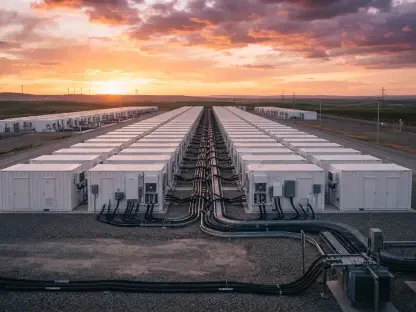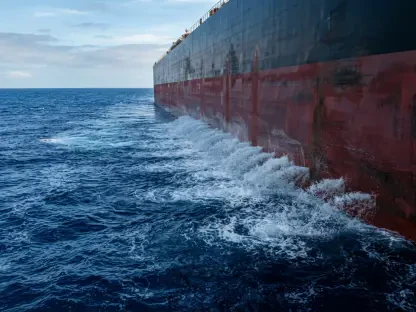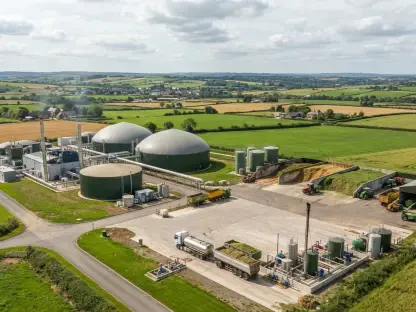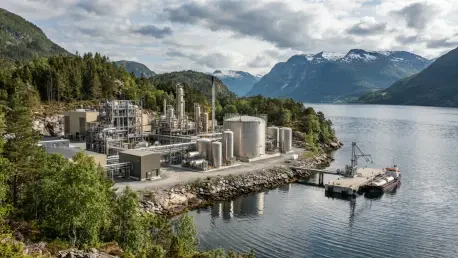

Securing the project’s long-term economic viability, the Norwegian developer Vireo has entered a dedicated offtake agreement with the energy company Gasum. This strategic alliance represents a pivotal shift in how the Nordic region addresses the decarbonization of heavy-duty transport and maritime logistics. Located in the scenic yet industrious landscape of Hardanger, Norway, this facility is more than just a local energy source; it serves as a pioneering blueprint for decentralized energy systems across the continent. By leveraging organic waste streams that were previously underutilized, the project highlights a sophisticated approach to environmental stewardship and industrial innovation. This collaboration between Bright Renewables and Nordsol marks their first joint venture, aiming to demonstrate that high-purity fuel production can be both scalable and repeatable. As the demand for fossil-free alternatives intensifies, such facilities offer a practical pathway toward energy independence.
Technological Synergy: Merging Biogas Upgrading and Liquefaction
At the heart of this industrial achievement lies a seamless integration of two distinct yet highly complementary technologies. Bright Renewables provides the critical first stage through its proprietary PurePac biogas upgrading system. This technology utilizes advanced membrane separation to efficiently extract high-purity biomethane from the raw biogas generated by organic decomposition. By precisely filtering out impurities and carbon dioxide, the system ensures that the methane stream reaches the stringent quality standards required for subsequent processing. This process is essential because the efficiency of the entire plant depends on the consistency and purity of the gas entering the next phase. The PurePac system is renowned for its reliability and compact design, making it an ideal choice for the decentralized nature of the Hardanger site. This phase transforms raw waste gas into a refined energy carrier, setting the stage for the intense cooling process that converts it into a versatile liquid fuel.
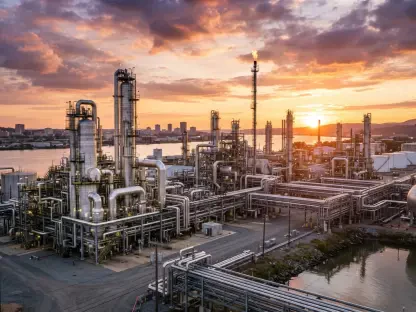
Once the biomethane is refined, it transitions into Nordsol’s innovative liquefaction system, where the real magic of physical transformation occurs. Utilizing the reverse Brayton cycle, the facility cools the purified gas to a staggering -156°C, effectively turning it into bio-LNG. This temperature is necessary to maximize the energy density of the fuel, making it suitable for high-demand applications such as long-haul trucking and shipping. The primary engineering challenge in this setup is the synchronization between the upgrading and liquefaction units; they must function as a single, harmonious mechanism. If the output of the upgrading unit fluctuates, the liquefaction system must adjust instantaneously to maintain efficiency and fuel quality. This level of technical cohesion was validated through rigorous factory acceptance tests, ensuring that every component operates at peak performance before deployment. The result is a high-quality, fossil-free transport fuel that can be easily stored and transported across the existing Nordic energy infrastructure.
Sustainable Feedstocks: Driving the Circular Economy in Hardanger
The environmental impact of the Hardanger facility is deeply rooted in its choice of feedstocks, which centers on locally sourced organic materials. By processing approximately 125,000 tons of organic waste each year, the plant addresses two major industrial byproducts: poultry manure and residues from the salmon processing industry. These materials, which might otherwise pose disposal challenges or contribute to methane emissions in landfills, are now transformed into a valuable energy resource. This circular approach not only cleans up the local environment but also provides a steady, renewable source of raw materials for energy production. The facility is expected to generate roughly 90 GWh of bio-LNG annually, which significantly reduces the carbon footprint of the heavy transport sector. This model proves that local waste can meet regional energy needs, reducing the reliance on imported fuels and long-distance transport logistics. By integrating with local agricultural and fishing industries, the project strengthens the regional economy while advancing national sustainability goals.
Looking back at the initial phases of the Hardanger project, the successful planning and equipment testing established a new standard for decentralized bio-LNG production. Stakeholders recognized that the modular nature of the technology allowed for rapid deployment in various geographic settings, suggesting that this blueprint could be replicated globally. For future projects, the focus shifted toward optimizing the logistics of feedstock collection to further enhance the overall efficiency of the supply chain. Engineers recommended that upcoming facilities should explore the integration of carbon capture technologies to move beyond carbon neutrality toward a carbon-negative profile. The partnership between Bright Renewables and Nordsol demonstrated that cross-disciplinary training and technical transparency were vital for solving complex operational hurdles. As the industry moved forward from 2026 to 2028, the emphasis remained on scaling these decentralized models to meet the growing demand for clean energy in hard-to-abate sectors like maritime and heavy-duty road transport.