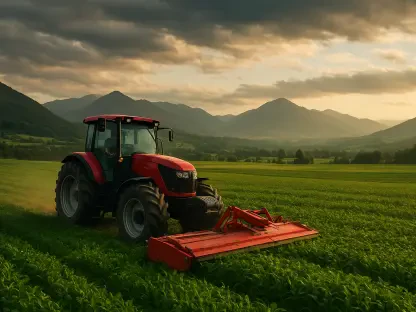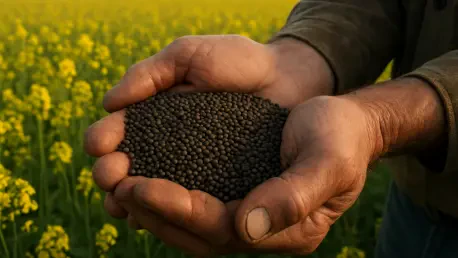

Sustainable aviation fuel is viewed as an indispensable tool for reducing carbon emissions in a sector that is traditionally reliant on fossil-based kerosene. This pressing need for cleaner alternatives has catalyzed a major strategic collaboration between Bayer and Neste, aimed at scaling the production of winter oilseed crops across the United States. The partnership focuses on the introduction of the newgold winter canola hybrid, a specialized crop engineered for high oil content and low-carbon intensity. By targeting the Southern Great Plains, the initiative seeks to utilize land that currently sits fallow during the off-season. This strategy allows farmers to generate supplementary income without disrupting their primary crop rotations, essentially transforming underutilized windows of time into productive periods for biofuel feedstock. As the industry seeks to move beyond experimental phases, these types of agricultural innovations are proving essential for creating a reliable supply chain that can actually meet the energy demands of modern commercial flight.
Bridging the Yield Gap: Technical Efficiency and Strategic Logistics
The primary challenge facing the renewable energy sector is the requirement for scalable, high-yield materials that do not compete with food crops for resources. While soybeans have historically served as the backbone for biodiesel, canola offers a much more efficient alternative due to its superior yield profile. Specifically, canola seeds contain approximately forty-five percent oil, a figure that dwarfs the eighteen percent typically found in soybeans. This disparity makes winter canola a high-density energy source that maximizes the output of every acre harvested. To capitalize on this efficiency, Bayer is moving forward with plans to commercially launch the winter-hardy newgold line by the fall of 2027. Such advancements are critical as global demand for biofuels is projected to reach forty billion gallons by 2040, necessitating a shift toward feedstocks that can produce more fuel with less land and fewer inputs than traditional oilseeds.
Integrating these high-yield crops into the existing energy infrastructure requires more than just agricultural expertise; it necessitates a robust logistics network capable of processing raw materials into refined fuel. Neste is currently positioned to bridge this gap by leveraging its extensive global supply chain and manufacturing capacity, which is expected to reach six point eight million tons annually by 2027. By refining these feedstocks into sustainable aviation fuel, the company provides a direct pathway for agricultural products to enter the aerospace market. This collaboration ensures that the newgold hybrid is not just a scientific success but a commercially viable commodity that can be distributed at scale. The synergy between Bayer’s seed technology and Neste’s refining capabilities represents a significant step toward decarbonizing heavy transport. It creates a closed-loop system where innovation in the field translates directly to carbon reductions in the sky.
The shift toward sustainable aviation fuel progressed significantly as industry leaders prioritized the integration of crop science with global logistics. Stakeholders recognized that the success of renewable energy depended on establishing open, transparent supply chains that empowered local producers. It became clear that the collaboration between Bayer and Neste served as a blueprint for future energy transitions, proving that environmental goals and economic growth were not mutually exclusive. Moving forward, the aviation industry should continue to invest in multi-crop strategies that utilize fallow land to avoid land-use conflicts. Policymakers and energy firms effectively demonstrated that scaling biofuels required a long-term commitment to infrastructure and technological refinement. By successfully commercializing the newgold hybrid, the sector provided a scalable model for decarbonization that solidified the role of the American farmer as a central figure in the global effort to achieve carbon neutrality.