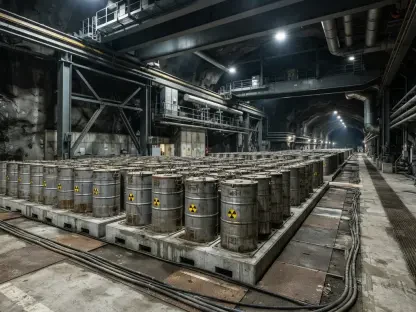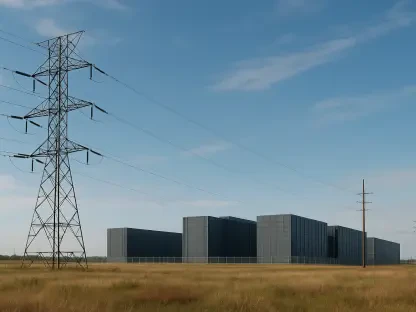
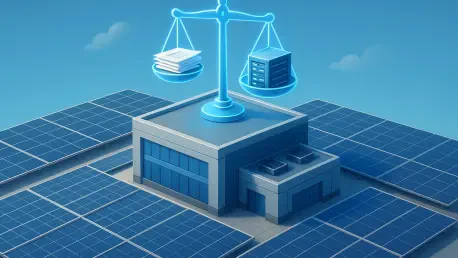
Introduction The legal collision between a massive multi-billion-dollar utility agreement and the First Amendment right to report on public infrastructure reveals how thin the line is between corporate secrecy and civic transparency. When Entergy Arkansas moved to block news organizations from

The density of recycled aluminum bales at the Pembroke Pines plant serves as a physical reminder of the logistical rigor required to manage regional waste. Recently, a diverse group of stakeholders and residents from the Florida Keys toured the Waste Management Recycling South Florida facility to

The rhythmic hum of air conditioning units across five continents provides a deceptive sense of security while the global energy grid groans under the weight of a record-breaking summer. As temperatures in the current year of 2026 reach heights that were once considered statistical outliers, a
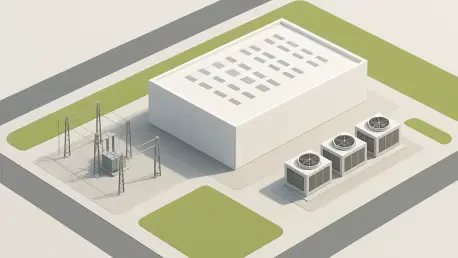
In the summer of 2026, the Texas power grid faced its most grueling test yet, shattering records and defying expectations as temperatures soared and demand reached unprecedented heights. As extreme weather becomes the new normal and industrial growth accelerates, the Electric Reliability Council of
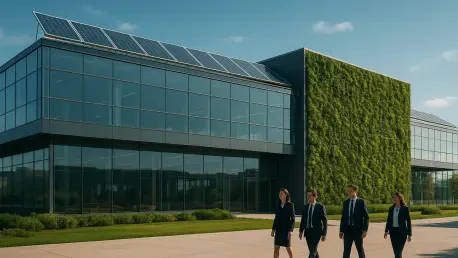
Modern businesses are finding that sustainability is not an ethical destination but a functional capability necessary for navigating complex global markets. In an era defined by rapid technological shifts and resource constraints, the traditional focus on short-term gains is proving insufficient

Project developers are increasingly finding that the administrative and legal costs of proving tax credit compliance outweigh the actual financial rewards. As the energy landscape shifts toward decentralized storage, the initial promise of the Investment Tax Credit (ITC) has met the hard reality of