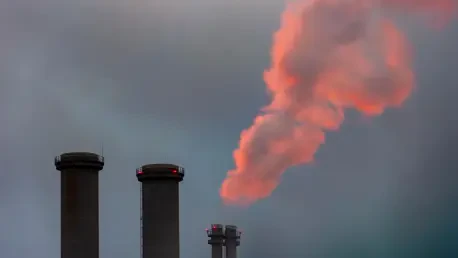
The repeal represents the culmination of a broader effort to systematically dismantle environmental policies established during previous presidential administrations. Under the leadership of Administrator Lee Zeldin, the agency has moved to eliminate federal limits on greenhouse gas emissions from
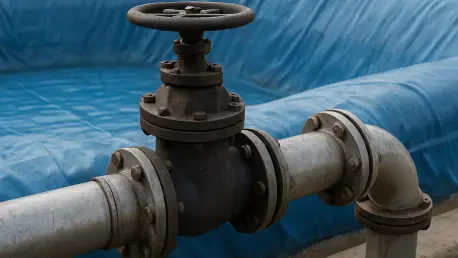
By rerouting water through the Westgate Trunk Line, LADWP has successfully mitigated the potential for service interruptions during the Santa Ynez Reservoir’s temporary closure. This operational shift is a critical component of the $14.325 million Santa Ynez Drinking Water Reservoir Floating Cover

Agricultural water releases were forced to a halt in late July 2026 to prevent the total systemic collapse of the region's primary irrigation infrastructure. This emergency maneuver became necessary when the water levels at Elephant Butte Reservoir plummeted to a historic low of 1.4% capacity,

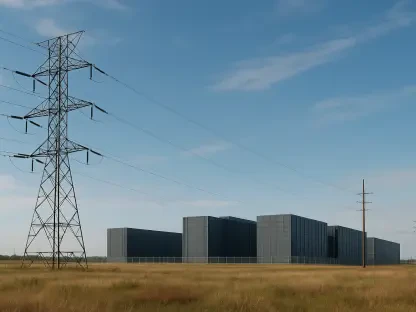
Assessing the Resilience of American Energy Infrastructure The persistent threat of Arctic blasts once felt like an insurmountable challenge for the American electrical system, but recent data suggests a significant shift in infrastructure reliability. The vulnerability of the United States power
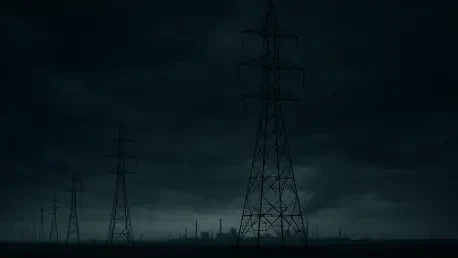
The Environmental Protection Agency estimates that eliminating carbon capture requirements will save the power sector approximately $1.2 billion in annual compliance costs. This formal move to repeal carbon pollution standards for fossil-fuel power plants marks a significant pivot in federal

A Strategic Move Toward Global Circularity The global industrial landscape is undergoing a fundamental transformation where the value of a metal is increasingly measured by its carbon footprint rather than just its purity or physical strength. Emirates Global Aluminium (EGA), the largest industrial