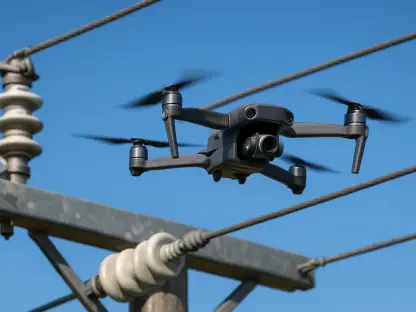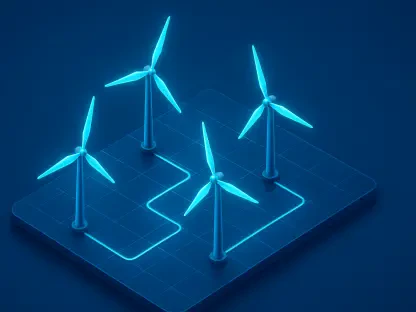
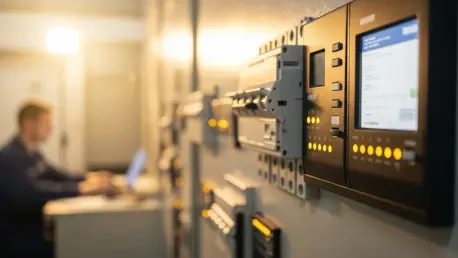
As the American electrical infrastructure faces the relentless pressures of extreme weather and surging demand from artificial intelligence, the industry has reached a pivotal moment where traditional planning cycles no longer keep pace with operational reality. The Association of Edison
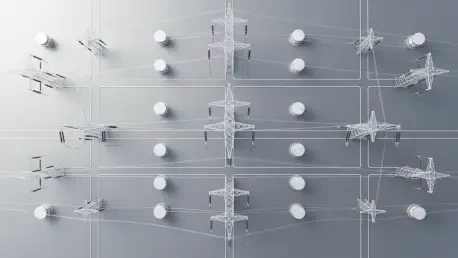
The relentless expansion of artificial intelligence has moved beyond the realm of pure software and is now forcing a massive, physical reconfiguration of the global electrical grid. While the public focus remains on the capabilities of neural networks, the industrial reality is centered on the
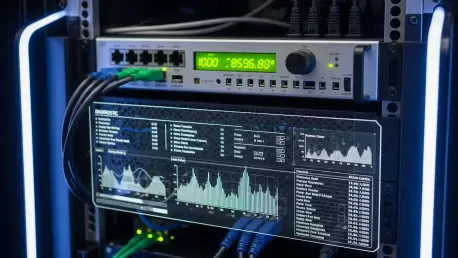
Industrial networking environments have reached a level of complexity where traditional manual troubleshooting methods can no longer keep pace with the demands for near-instantaneous uptime and absolute data integrity. In high-stakes settings like unmanned substations or retail hubs, a single
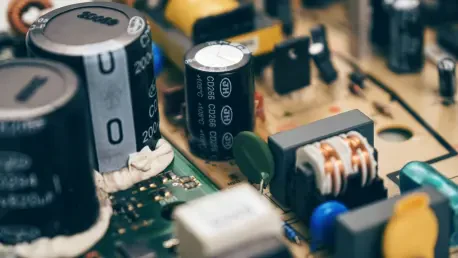
The transition toward electrified transportation and deep-sea exploration has pushed modern power conversion systems to their absolute thermal limits, demanding components that thrive under duress. Dielectric capacitors serve as the backbone of these systems, storing energy through electronic
The American electrical grid is currently navigating a period of unprecedented strain characterized by the convergence of intensified weather events and a surging demand for energy from the digital economy. This complex landscape requires more than traditional engineering; it demands a fundamental
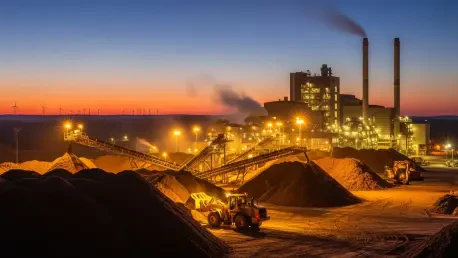
The sudden disruption of large-scale renewable energy facilities often threatens the stability of local power grids and requires an immediate, sophisticated management response to mitigate long-term financial losses. When RENOVA faced significant operational hurdles at its Kanda Biomass Power