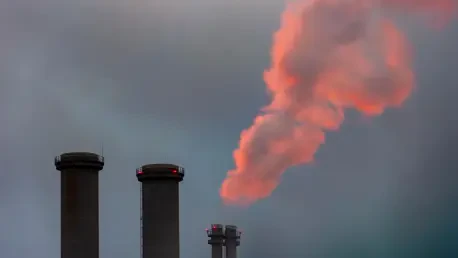
Environmental experts suggest that removing emission controls will lead to higher concentrations of particulate matter linked to asthma and heart disease. The recent announcement by Environmental Protection Agency Administrator Lee Zeldin at the G20 energy summit in Houston has ignited a fierce
EnergyFluo addresses the challenge of securing high-voltage power connections in timeframes that match the accelerated deployment of modern information technology infrastructure. As the global digital economy continues to swell, the friction between high-density computing and aging electrical grids
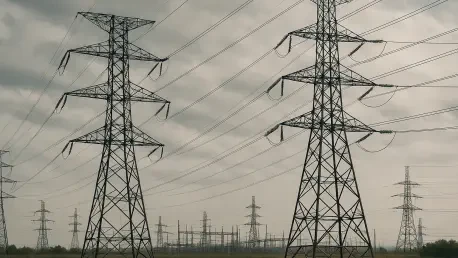
Managing data centers as flexible assets rather than static loads is becoming the primary mechanism for meeting the massive energy demands of the artificial intelligence era. As the global race for computational supremacy accelerates, the North American electrical grid is struggling to keep pace
The Looming Bottleneck in the Age of Artificial Intelligence The rapid acceleration of generative artificial intelligence has fundamentally altered the trajectory of global energy consumption, forcing a confrontation between digital ambition and physical infrastructure limitations. As of 2026, the

Modern civilization is currently witnessing a profound energetic paradox where domestic residential electricity consumption is cooling down while the massive requirements of industrial digital infrastructure are reaching a boiling point. This shift is primarily driven by the expansion of hyperscale
The reliance on outdated infrastructure is meeting its match as utilities turn toward sophisticated cloud intelligence to survive a volatile energy market. South Carolina’s state-owned utility, Santee Cooper, has initiated a pivotal collaboration with Google Cloud to overhaul its core operational