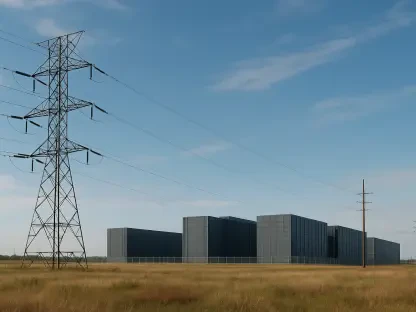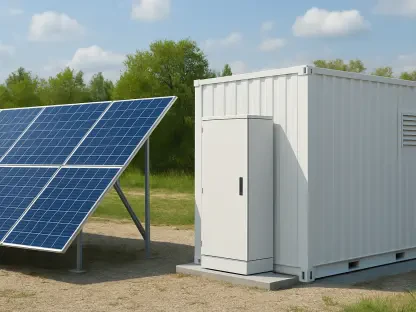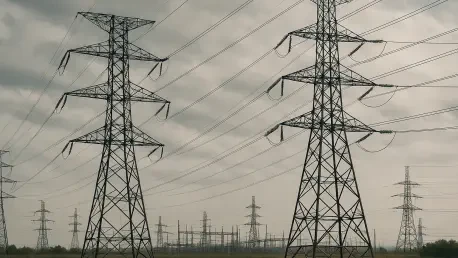
Managing data centers as flexible assets rather than static loads is becoming the primary mechanism for meeting the massive energy demands of the artificial intelligence era. As the global race for computational supremacy accelerates, the North American electrical grid is struggling to keep pace

Brussels is moving away from its historical reliance on top-down mandates in favor of a stability-focused approach that emphasizes the enforcement of current environmental regulations. This shift signals a new era for the European Union as it moves toward the post-2030 energy landscape with a sense
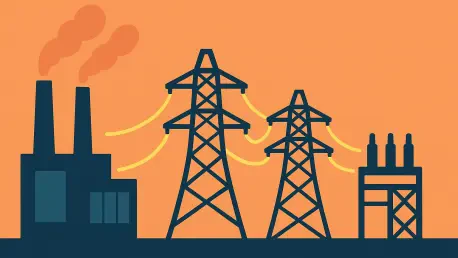
The new federal energy agenda prioritizes grid resilience and affordability over the previous administration's goal of eliminating fossil fuel-based electricity generation. This fundamental pivot marks a definitive end to the Clean Power Plan 2.0, a regulatory framework that many industry leaders
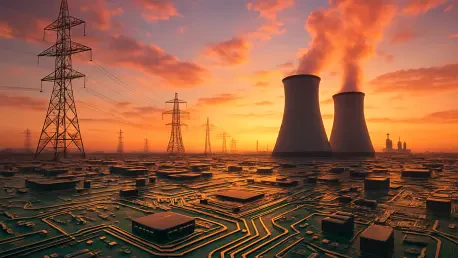
The Looming Bottleneck in the Age of Artificial Intelligence The rapid acceleration of generative artificial intelligence has fundamentally altered the trajectory of global energy consumption, forcing a confrontation between digital ambition and physical infrastructure limitations. As of 2026, the

Introduction When Arctic blasts swept across the nation in early 2026, the resilience of the American power grid became the ultimate test for federal regulators and regional energy operators alike. Maintaining a reliable flow of electricity during extreme temperature drops is no longer just a

By rerouting water through the Westgate Trunk Line, LADWP has successfully mitigated the potential for service interruptions during the Santa Ynez Reservoir’s temporary closure. This operational shift is a critical component of the $14.325 million Santa Ynez Drinking Water Reservoir Floating Cover