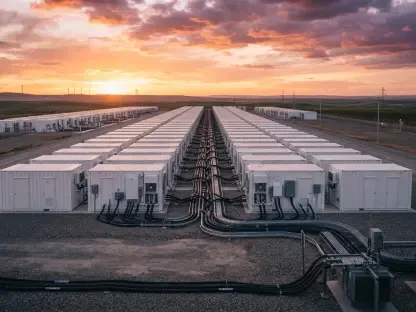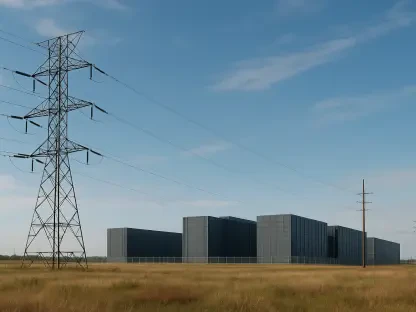
Jevons’ Paradox suggests that while AI chips are becoming more efficient at processing tokens, the resulting lower costs are actually stimulating a much higher total volume of energy consumption. The global tech industry has reached a pivotal juncture where the primary constraint on growth is no

American households are currently grappling with soaring energy bills while utility companies continue to collect millions in bonuses for fulfilling basic legal obligations that are no longer optional. This financial paradox is at the heart of an intensifying nationwide debate over the "RTO adder,"
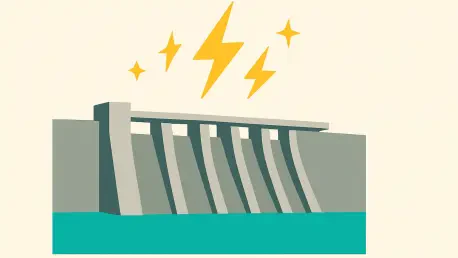
The John Day Dam, situated on the border of Oregon and Washington, generated 7.59 million megawatt-hours in 2025, narrowly eclipsing the total electricity needs of every home and business in Rhode Island. This monumental output is not an isolated incident but rather a testament to the staggering

The rapid proliferation of affordable plug-in solar kits has promised a democratized energy transition for residents who previously found traditional rooftop installations prohibitively expensive or physically impossible. For roughly £460, homeowners can now purchase a modular kit that connects
Achieving the delicate balance between aggressive clean energy mandates and the uncompromising physical realities of the electrical grid requires a level of objective technical oversight that remains isolated from political pressures. Independent System Operators (ISOs) serve as the vital air

The successful connection of two Brittany Ferries and the MS Amadea to a single shore power source marks a major shift in how urban ports manage ship-to-shore energy. This breakthrough in Portsmouth signifies a departure from traditional maritime operations where idling engines were the standard