
The precarious intersection of climate-driven catastrophes and the financial solvency of the nation's largest utility companies has reached a critical tipping point in the Golden State. As California enters the mid-point of this decade, the operational stability of its major power providers—Pacific
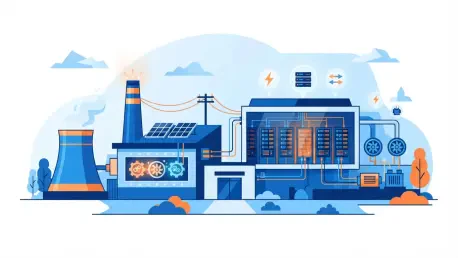
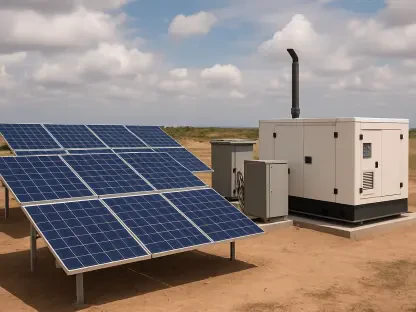
By adopting on-site turbines, developers gain control over their project timelines but must assume the complex responsibilities traditionally held by utility companies. This strategic pivot comes as the global appetite for generative artificial intelligence has reached a fever pitch in 2026,
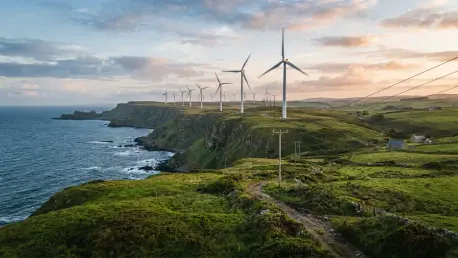
The Republic of Ireland faces a unique challenge in its energy transition as data centers now account for twenty-five percent of the nation's total electricity usage. This massive industrial demand complicates the shift toward sustainable power, yet it provides a critical lens through which to view
By issuing formal show cause orders, the Energy Regulatory Commission aims to stabilize the energy sector and protect consumers from the high costs of supply constraints. The Philippines currently faces a complex energy landscape where regional power grids struggle to keep pace with growing demand,

The national strategy involves a massive leap in wind and solar capacity from current levels of 45 gigawatts to a projected 175 gigawatts by the year 2040. This ambitious trajectory forms the backbone of the "National Energy 2040" roadmap, a comprehensive policy framework recently unveiled by
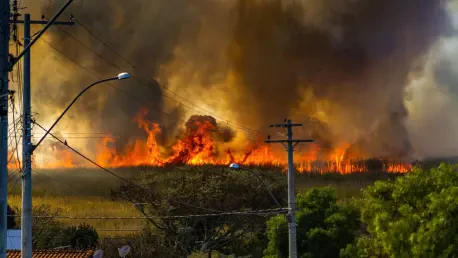
The volatile intersection of climate risk and corporate solvency has reached a fever pitch in California as the state’s primary utilities struggle to balance clean energy goals against a mountain of wildfire litigation. This precarious situation was underscored by the recent legislative deadlock in