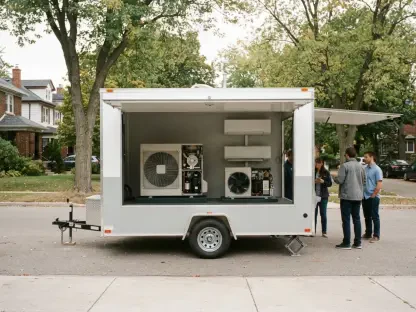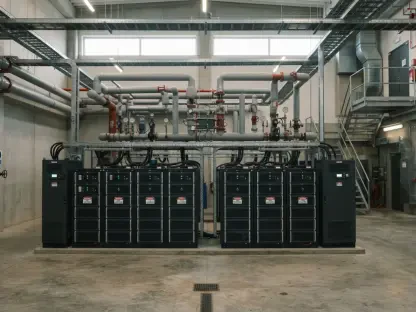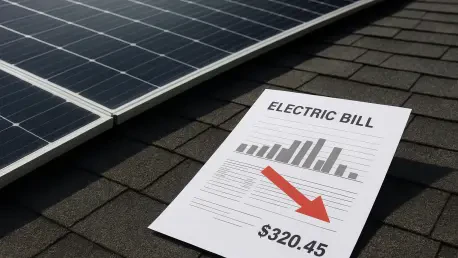

While nuclear power is viewed as a high-potential solution for the digital sector, regulatory hurdles mean most new reactors will not be operational until at least 2030. The rapid expansion of artificial intelligence has moved beyond a mere software revolution, manifesting as a massive physical
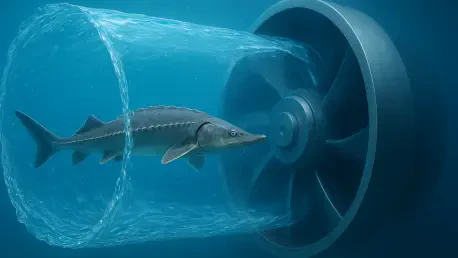
Hydraulic engineers have replaced the thin, straight leading edges of conventional turbine runners with thick, slanted, and forward-swept blades to prioritize ecological safety. This fundamental shift in mechanical design addresses one of the most persistent challenges in the transition to

Developing a device that functions as both a solar panel and an LED provides a transformative alternative to conventional, bulky power storage systems. For years, the divide between energy generation and light emission required distinct hardware, forcing engineers to compromise on the weight and

The volatility of the 2026 energy markets has transformed from a fiscal nightmare into an unexpected catalyst for a global environmental overhaul that many thought would take decades to achieve. As fuel costs reach historic highs, the global conversation is shifting from theoretical climate goals
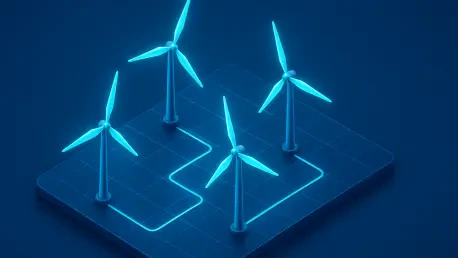
The specialized FLOWERS method provides a high-speed mathematical alternative that bypasses the need for dense wind direction grids without sacrificing the quality of the final layout. As wind energy production continues to expand into deeper offshore waters in 2026, the physical phenomenon known
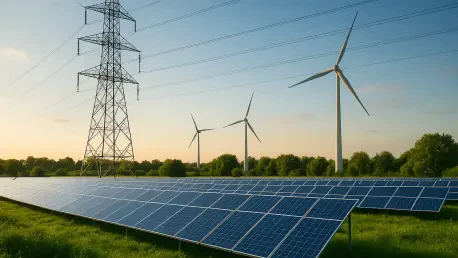
Traditional engineering techniques like gradient-based methods frequently get trapped in local minima, leading to sub-optimal schedules that waste money and increase pollution. This realization has forced modern energy sectors to reconsider how they approach the management of electrical power