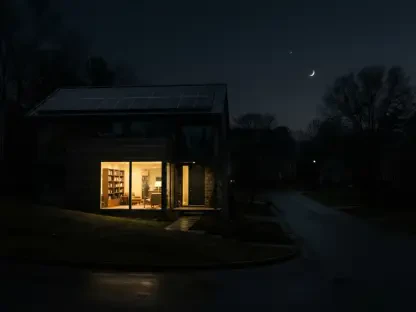

Current environmental mandates require landlords to achieve a rating of C within the next six years, making the identification of affordable and realistic upgrade paths a top priority. As the calendar moves further into 2026, the urgency for property owners in England and Wales to align with these

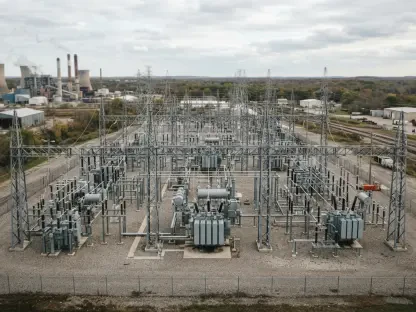
The national strategy involves a massive leap in wind and solar capacity from current levels of 45 gigawatts to a projected 175 gigawatts by the year 2040. This ambitious trajectory forms the backbone of the "National Energy 2040" roadmap, a comprehensive policy framework recently unveiled by

The integration of biomass energy into the national grid depends on the government's ability to provide special support mechanisms that mirror those of other renewable sectors. As Vietnam’s 16th National Assembly navigates the complexities of energy transition, the proposed amendments to the

The shift from passive building skins to active photovoltaic systems is essential for achieving the ambitious goal of establishing zero-net-energy cities worldwide. Modern urban centers are defined by towering glass facades that, while aesthetically striking, have historically functioned as thermal
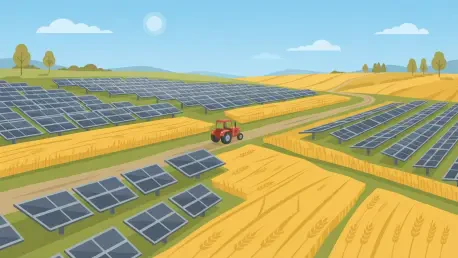
Electricity prices in Alberta have dropped to an average of twenty-six dollars per megawatt-hour, a figure many analysts believe is too low to attract new infrastructure investment. This economic downturn serves as a stark backdrop for the Sollair Energy Project, a 75-megawatt solar array located

A significant maturation in corporate sustainability has moved beyond superficial gestures toward an integrated approach that encompasses procurement and on-site generation. This evolution has transformed the era when energy was merely a line item on a balance sheet into a complex environment where
1 2 3 4 5 6 7 8 9 10 11 12 13 14 15 16 17 18 19 20 21 22 23 24 25 26 27 28 29 30 31 32 33 34 35 36 37 38 39 40 41 42 43 44 45 46 47 48 49 50 51 52 53 54 55 56 57 58 59 60 61 62