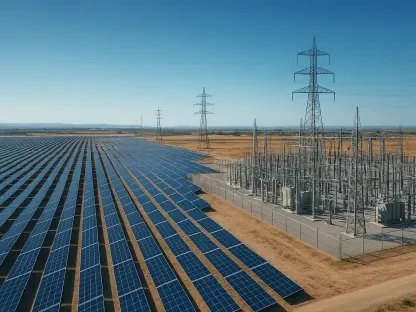
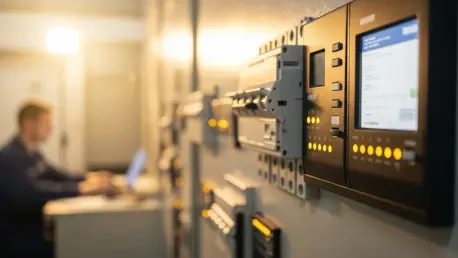
As the American electrical infrastructure faces the relentless pressures of extreme weather and surging demand from artificial intelligence, the industry has reached a pivotal moment where traditional planning cycles no longer keep pace with operational reality. The Association of Edison
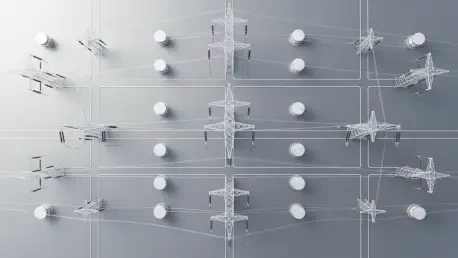
The relentless expansion of artificial intelligence has moved beyond the realm of pure software and is now forcing a massive, physical reconfiguration of the global electrical grid. While the public focus remains on the capabilities of neural networks, the industrial reality is centered on the
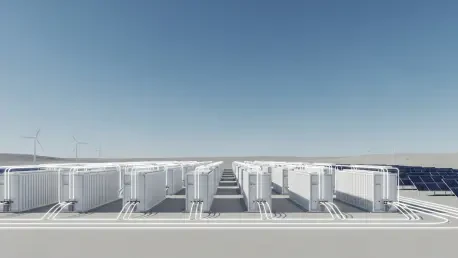
The American power grid currently faces an unprecedented combination of aging physical infrastructure and an escalating frequency of high-impact climate events that threaten the stability of regional economies. As the nation moves toward a more electrified future, the demand for a reliable,
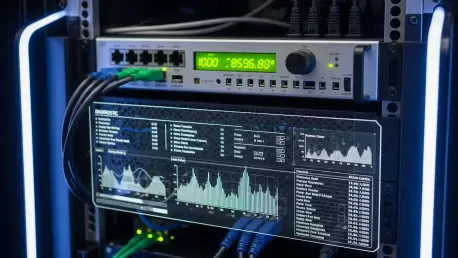
Industrial networking environments have reached a level of complexity where traditional manual troubleshooting methods can no longer keep pace with the demands for near-instantaneous uptime and absolute data integrity. In high-stakes settings like unmanned substations or retail hubs, a single

Maintaining thousands of connected devices across multiple international borders has historically required a logistical miracle involving physical SIM swaps and manual configuration. However, the shift toward cloud-native connectivity frameworks is currently rendering these traditional bottlenecks
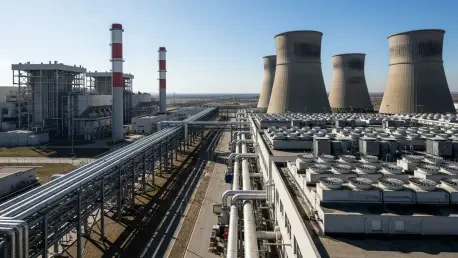
The sheer scale of the energy transition is currently manifesting as an unprecedented strain on the regional power grid, where the rapid expansion of artificial intelligence and high-density computing is colliding with a steady decline in traditional baseload generation. As the largest grid