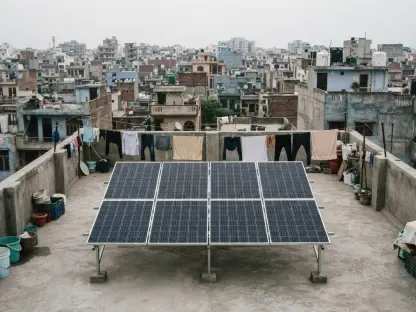
The U.S. solar hardware market has entered a period of significant tightening, driven primarily by intense regulatory pressure and evolving federal tax credit milestones. Market activity is currently being dictated by a strategic race among buyers to secure origin-compliant inventory ahead of

The Caesar Rodney Institute is urging state policymakers to reconsider wood-derived biomass as a cornerstone of a truly diversified energy portfolio. As Delaware grapples with the complexities of modernizing its power grid in 2026, the focus has shifted toward domestic generation to mitigate the

Internal justifications regarding the high cost of insurance premiums have backfired, leaving the nation's energy backbone vulnerable to climate-driven destruction. The catastrophic floods of late August, specifically on the 10th of Bhadra, have fundamentally reshaped the landscape of Nepal’s
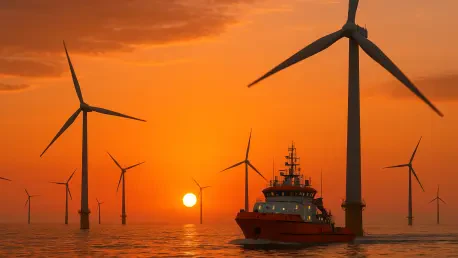
The realization of sustainable energy goals often relies on the longevity and resilience of early infrastructure projects that dared to challenge the dominance of fossil fuels. Standing as a silent testament to twenty years of industrial transformation, the Barrow Offshore Wind Farm has evolved
Transitioning to a cradle-to-grave infrastructure would allow host states to consolidate interim storage, fuel fabrication, and permanent burial in a single integrated hub. For nearly half a century, the United States has struggled to find a viable solution for the spent nuclear fuel accumulating
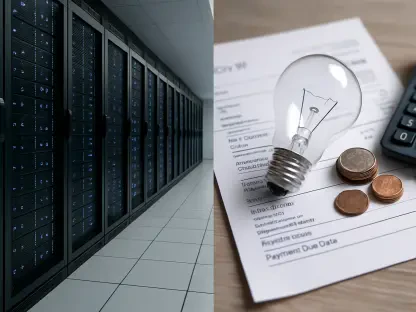
Jevons’ Paradox suggests that while AI chips are becoming more efficient at processing tokens, the resulting lower costs are actually stimulating a much higher total volume of energy consumption. The global tech industry has reached a pivotal juncture where the primary constraint on growth is no