The Looming Bottleneck in the Age of Artificial Intelligence The rapid acceleration of generative artificial intelligence has fundamentally altered the trajectory of global energy consumption, forcing a confrontation between digital ambition and physical infrastructure limitations. As of 2026, the
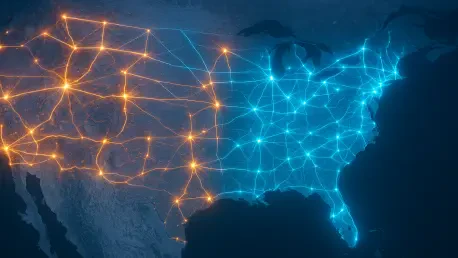
Introduction When Arctic blasts swept across the nation in early 2026, the resilience of the American power grid became the ultimate test for federal regulators and regional energy operators alike. Maintaining a reliable flow of electricity during extreme temperature drops is no longer just a
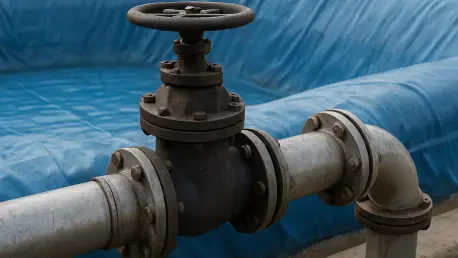
By rerouting water through the Westgate Trunk Line, LADWP has successfully mitigated the potential for service interruptions during the Santa Ynez Reservoir’s temporary closure. This operational shift is a critical component of the $14.325 million Santa Ynez Drinking Water Reservoir Floating Cover
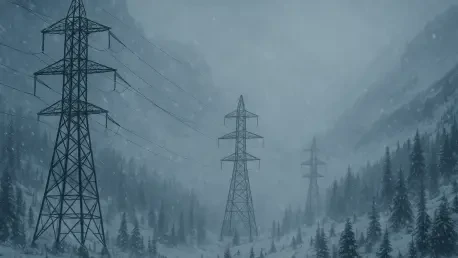
Assessing the Resilience of American Energy Infrastructure The persistent threat of Arctic blasts once felt like an insurmountable challenge for the American electrical system, but recent data suggests a significant shift in infrastructure reliability. The vulnerability of the United States power

Modern civilization is currently witnessing a profound energetic paradox where domestic residential electricity consumption is cooling down while the massive requirements of industrial digital infrastructure are reaching a boiling point. This shift is primarily driven by the expansion of hyperscale

The primary objective of the September 3 rulemaking initiative is to ensure that the rates paid by consumers are justifiable, transparent, and sufficient for grid reliability. This massive regulatory pivot marks the first significant reconstruction of the utility rate-setting framework in