The physical flow of electricity across the 49th parallel, historically a silent pillar of North American stability, has suddenly transformed into a high-stakes bargaining chip in a deepening trade conflict. As both nations strive for energy security and decarbonization, the physical and economic

Infrastructure projects currently spanning from the Coastal Network to the Lake Zone are designed to transform Tanzania into a central electricity hub for East and Southern Africa. The inauguration of the Julius Nyerere Hydropower Project (JNHPP) on August 22, 2026, represents a monumental shift in
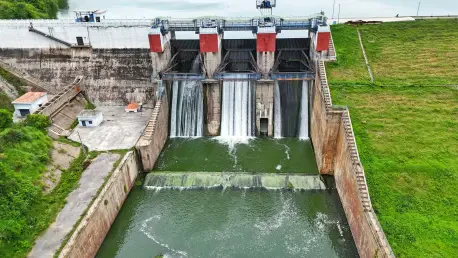
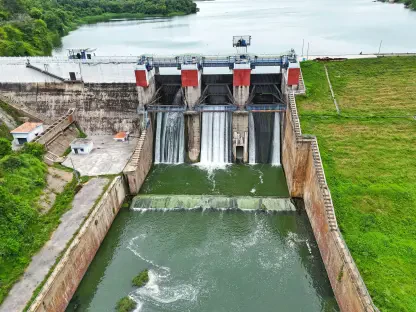
The upcoming technical upgrades include the installation of Unitrol 8000 excitation systems across five generating units to improve efficiency and control. This modernization initiative addresses the growing need for grid stability in Norway as the nation transitions toward a more complex energy
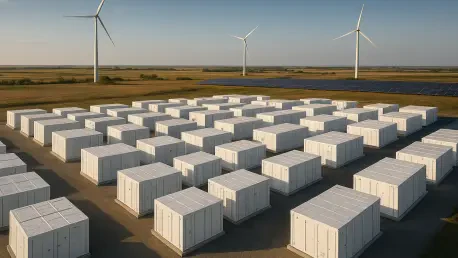
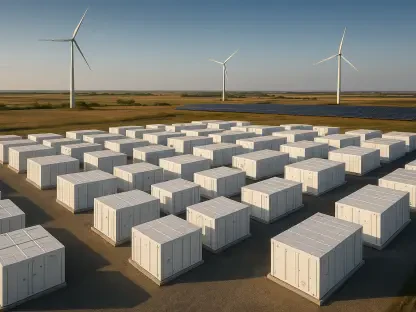
The geographic concentration of storage projects in counties like Argeș and Constanța highlights the emergence of specialized energy hubs within the Romanian landscape. This strategic evolution represents a fundamental shift in how the nation manages its power grid, moving from a legacy of rigid
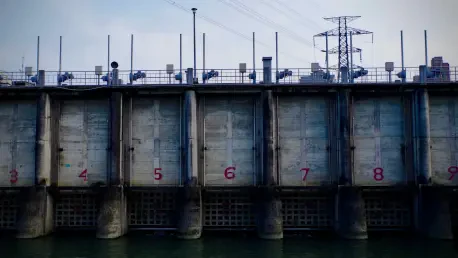
Ranking among the top ten power producers in the nation, the U.S. Army Corps of Engineers maintains a vast network of infrastructure spread across five primary geographical divisions. This expansive footprint establishes the agency as the largest producer of hydroelectric power in the United
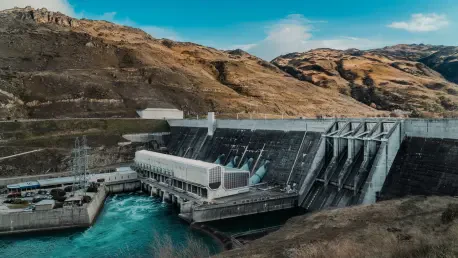
The installation of UNITROL® 8000 excitation systems across five generating units will allow the Vikfalli complex to meet increasingly stringent modern grid codes. This strategic initiative, overseen by Statkraft, Europe’s leading producer of renewable energy, focuses on three integral power
1 2 3 4 5 6 7 8 9 10 11 12 13 14 15 16 17 18 19 20 21 22 23 24 25 26 27