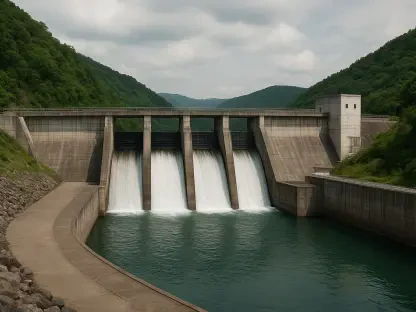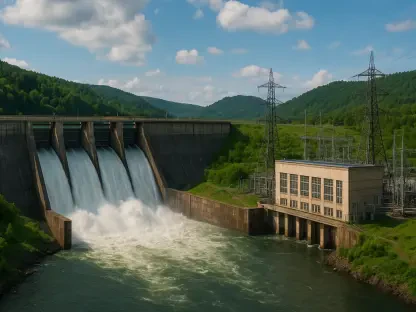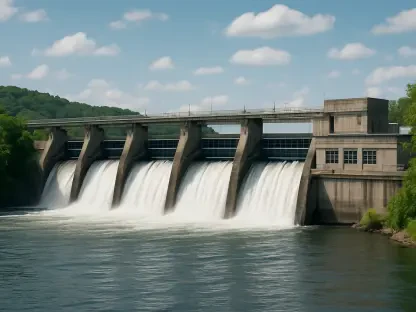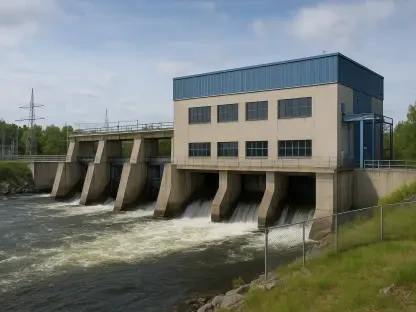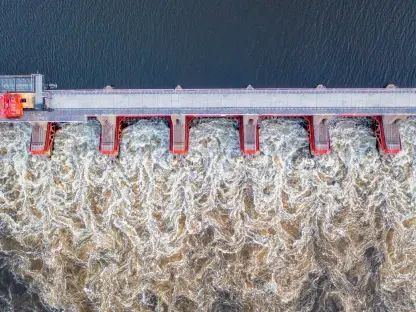

The devastating memory of the 2020 Sanford and Edenville dam failures still resonates across Michigan, serving as a grim reminder of how infrastructure neglect can destroy lives and landscapes in an instant. As heavy rainfall patterns become increasingly unpredictable in the Great Lakes region, the
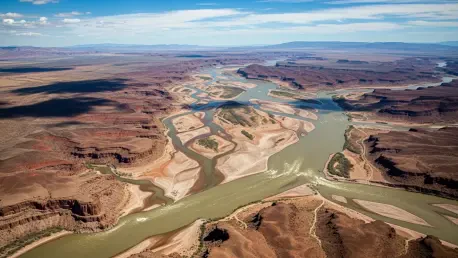
Introduction The relentless progression of an unprecedented megadrought across the Western United States has finally pushed the Colorado River Basin to a tipping point where traditional water management no longer suffices to prevent a total energy collapse. Decades of aridification, exacerbated by

The rugged geography of the Alaskan frontier serves as a stark reminder that even in a technologically advanced age, the fundamental necessity of reliable and affordable power remains an elusive luxury for many citizens residing at the top of the world. While the contiguous United States benefits
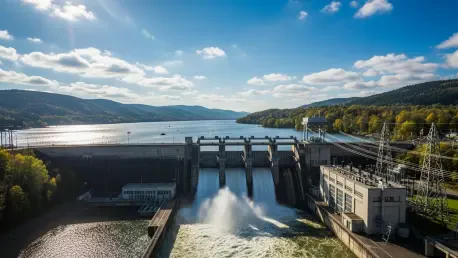
Market Context: Why Timing Now Drives Value Snow once functioned like a slow-release battery for the grid, but record winter warmth and a March heat wave shifted runoff into the wrong months, turning hydropower from a summer workhorse into a winter sprinter just as heat waves raised peak demand.
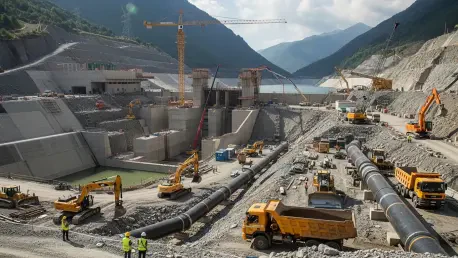
A wind-swept plateau above Bell County’s mine cuts now frames a different kind of shift, where survey stakes and hydrology gear mark the outlines of a power plant that stores energy not in fuel piles, but in elevation and time. Locals who once followed coal seams now trace new contours: an upper
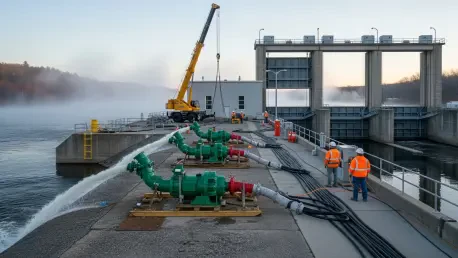
Why Cheboygan Became the Focal Point of a Regional Flood Threat Spring’s uneasy alliance of rain and melt turned Northern Michigan’s waterways into a single, fast-moving system with one pivotal hinge: the Cheboygan Lock and Dam Complex, where upstream reservoirs met the narrow outlet to Lake Huron