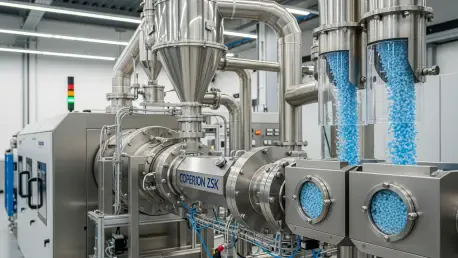
Achieving a truly circular economy for polymers has long been hindered by the technical difficulty of removing contaminants from post-consumer high-density polyethylene and polypropylene, but recent advancements are finally bridging this gap. The recent validation from the U.S. Food & Drug
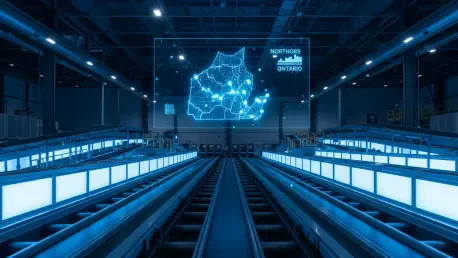
Veda Nair and Latavia Douglas, two seventh-grade students at the Mamawmatawa Holistic Education Centre, launched Project Z.E.R.O. with the simple ambition of making Constance Lake First Nation a cleaner place to live and learn. What began as a localized effort to encourage fellow students to sort
Introduction For nearly twenty years, the city of Seattle relied on a steady partnership for its waste processing, yet shifting global markets and rising contamination rates have now forced a significant strategic pivot toward more advanced technological solutions. This transition is not merely a
Christopher Hailstone, a seasoned expert in the intricacies of utility and waste management, recently shared his perspectives on the tectonic shifts occurring in the packaging sector. As states across the U.S. grapple with the implementation of Extended Producer Responsibility (EPR) laws, producers
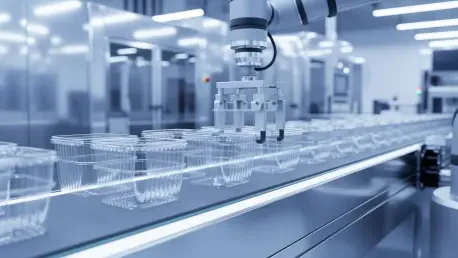
The traditional image of a plastic recycling facility often involves mountain-sized piles of sorted waste that struggle to find a second life beyond low-grade industrial applications or heavy-duty park benches. This perception is rapidly shifting as a landmark partnership between PureCycle
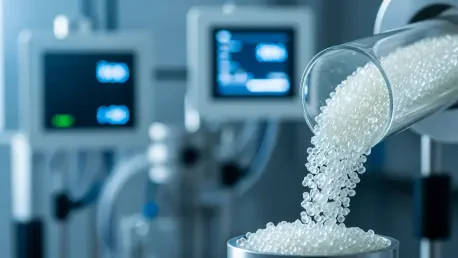
The global plastic crisis has reached a point where traditional mechanical recycling can no longer keep pace with the volume and complexity of modern waste, necessitating a paradigm shift toward advanced chemical recycling. This tipping point has forced a realization that simply diverting waste is