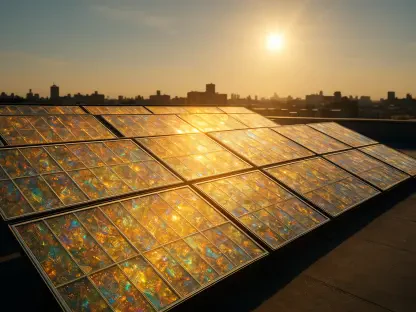
Triple Point Resources has identified a strategic opportunity to reduce provincial electricity system costs by up to $700 million over the next ten years through advanced storage. As the province transitions toward a cleaner and more decentralized power grid, the integration of the Fischells Salt
The U.S. solar hardware market has entered a period of significant tightening, driven primarily by intense regulatory pressure and evolving federal tax credit milestones. Market activity is currently being dictated by a strategic race among buyers to secure origin-compliant inventory ahead of

The Climate Policy Initiative has dismantled the long-standing myth that centralized, capital-intensive waste infrastructure is more efficient than decentralized community systems. This revelation served as the cornerstone for the Second Regional Congress on Organics and Climate in Jakarta, where a

The Caesar Rodney Institute is urging state policymakers to reconsider wood-derived biomass as a cornerstone of a truly diversified energy portfolio. As Delaware grapples with the complexities of modernizing its power grid in 2026, the focus has shifted toward domestic generation to mitigate the
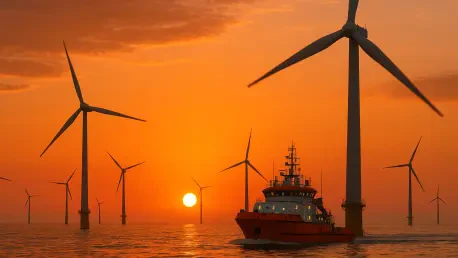
The realization of sustainable energy goals often relies on the longevity and resilience of early infrastructure projects that dared to challenge the dominance of fossil fuels. Standing as a silent testament to twenty years of industrial transformation, the Barrow Offshore Wind Farm has evolved
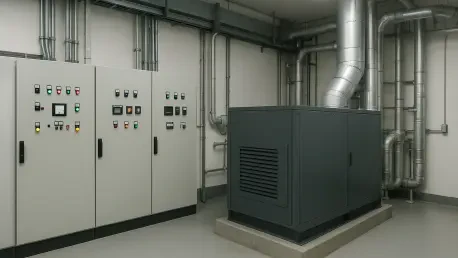
The Section 48E investment tax credit allows public entities to modernize infrastructure by receiving direct cash payments from the U.S. Treasury for renewable installations. This federal provision serves as a catalyst for institutional and industrial energy management, moving projects from