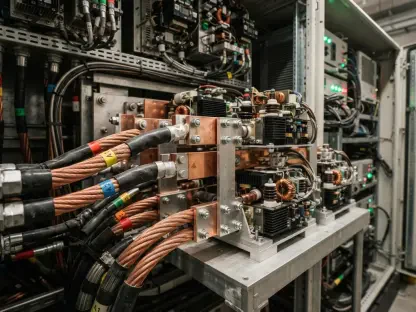
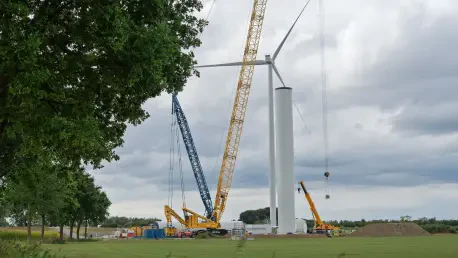
A 330 kV terminal and associated transmission lines are being constructed to bridge the gap between the remote Wheatbelt wind site and the South West Interconnected Network. This critical link represents the physical manifestation of Western Australia’s most ambitious renewable energy endeavor to
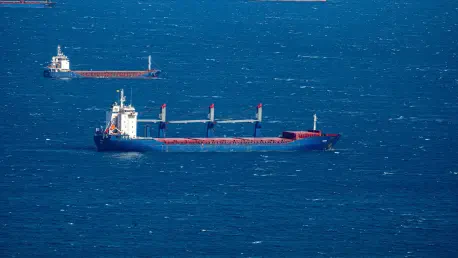
Operational efficiencies like better voyage planning and speed optimization now have a much stronger business case due to the rising costs of carbon emissions. The maritime industry is currently undergoing a fundamental transformation as it integrates into the European Union Emissions Trading
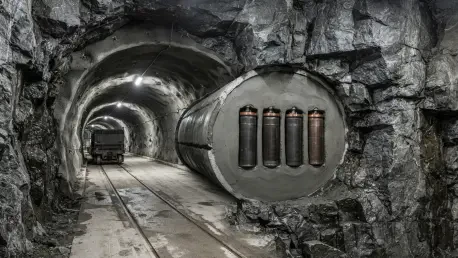
By sealing spent fuel rods into corrosion-resistant copper canisters, Finland has established a permanent solution for the waste generated by the Olkiluoto and Loviisa nuclear power plants. This monumental achievement by Posiva Oy represents the culmination of decades of research, effectively
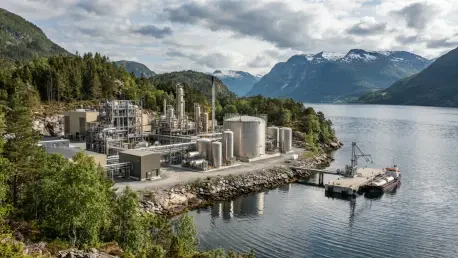
Securing the project's long-term economic viability, the Norwegian developer Vireo has entered a dedicated offtake agreement with the energy company Gasum. This strategic alliance represents a pivotal shift in how the Nordic region addresses the decarbonization of heavy-duty transport and maritime
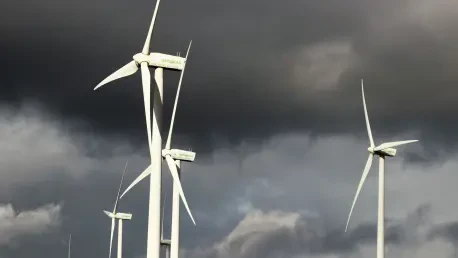
A 459-foot wind turbine fire on the German North Sea coast recently highlighted the physical limits of modern firefighting equipment and safety protocols. The incident occurred in the small community of Simonsberg, where a nacelle ignited at a staggering elevation of 276 feet. Despite the presence
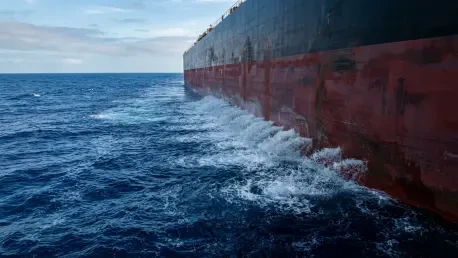
While the International Maritime Organization tracks total fuel consumption, it fails to document the specific technologies and operational drivers behind vessel efficiency gains. This oversight creates a significant visibility gap that prevents the industry from fully realizing its decarbonization