
Successful post-plastic strategies in the French retail sector require clear communication regarding material composition and specific recycling instructions. In the current year of 2026, the French agricultural landscape is undergoing a massive shift as businesses attempt to reconcile strict
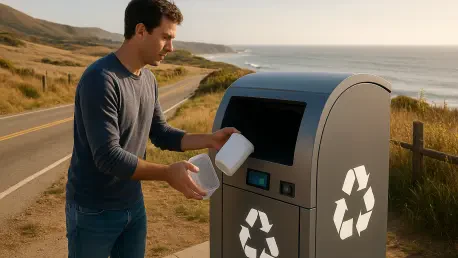
By integrating environmental justice into the reimbursement phase, the plan seeks to mitigate the negative impacts of waste processing on marginalized communities. This update to the Circular Action Alliance strategy marks a pivotal moment for the state as it prepares for the full implementation of

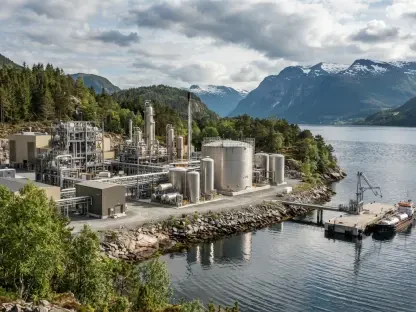
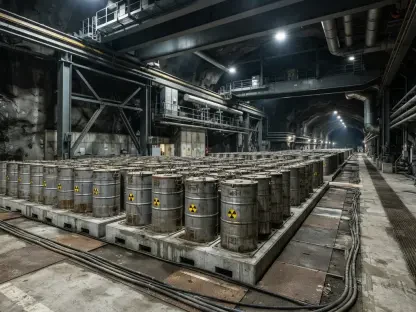
The contemporary industrial sector currently faces an immense challenge in balancing the manufacturing of vital goods with the safe mitigation of hazardous byproducts that pose risks to ecological stability. In this complex environment, Clean Harbors has positioned itself as a central figure by

The shift toward sodium-ion technology represents a major step in reducing the global dependence on mineral extraction for green energy infrastructure. This transition has become increasingly critical as the traditional reliance on lithium-ion cells faces mounting pressure from supply chain
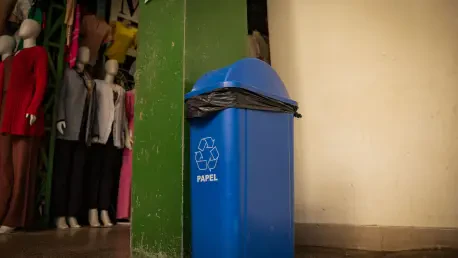
As urban areas grapple with the mounting pressures of environmental sustainability and waste reduction, local authorities are looking toward more sophisticated methods of resource recovery. The shift to a separated recycling model requires households to use color-coded sacks for different materials

Canada lacks a cohesive national strategy to address food waste despite being a signatory to the United Nations goal of halving per-capita waste by 2030. The urgency of this issue has reached a fever pitch in 2026 as domestic food prices continue to fluctuate under the weight of global trade