
While the Seaview Association points to high annual financial contributions to the fire department, operational experts maintain that the physical infrastructure remains the primary barrier to safety. This divergence in perspective highlights a growing crisis within the Fire Island community, where
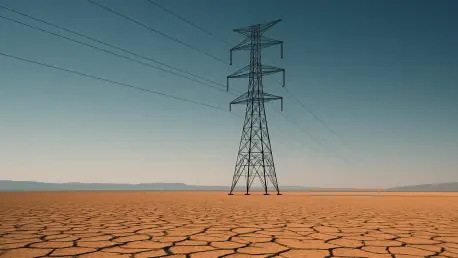
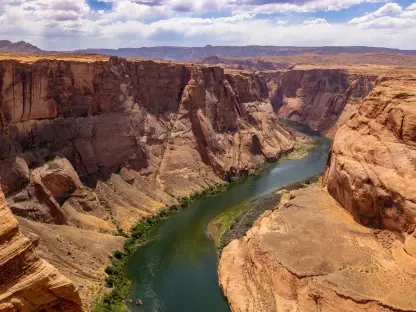
Arizona and Nevada officials have voiced significant dissatisfaction with federal proposals, arguing that the suggested 3.0 million acre-feet reduction places a disproportionate burden on their states. This tension underscores a broader existential threat as the Colorado River Basin, the vital
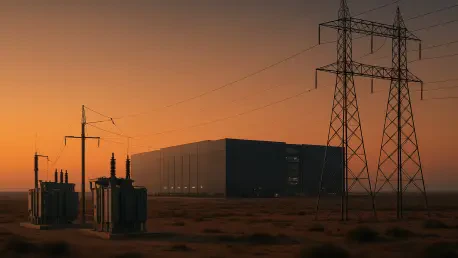
The sheer scale of the energy demand currently sitting in the Texas interconnection queue is difficult to comprehend, as it now represents more than five times the state’s record peak electricity consumption. For years, the so-called Texas Miracle was built on a foundation of deregulation and an
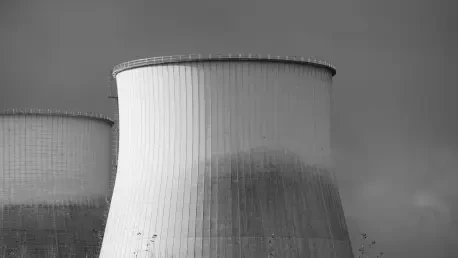
The intersection of climate-induced environmental challenges and national energy security has necessitated a monumental hydraulic engineering effort on the Danube. The Paks Nuclear Power Plant, a cornerstone of the regional energy matrix, recently encountered an unprecedented operational bottleneck
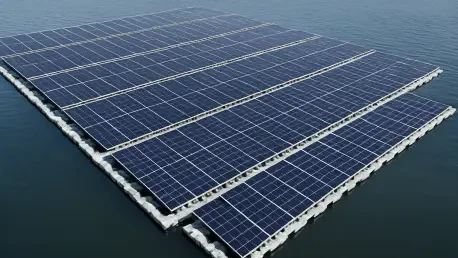
As California scales up its renewable energy infrastructure, researchers are examining how man-made solar platforms might inadvertently replace lost shoreline vegetation in agricultural landscapes. In the agricultural heartlands, such as the Central Valley, the proliferation of irrigation ponds has

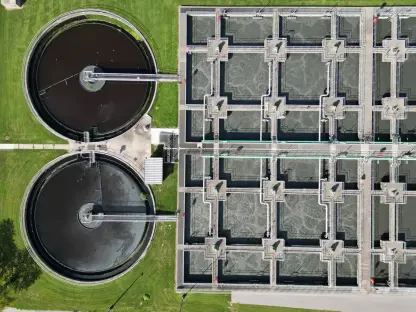
The shift from a Birmingham-centric entity to a regional body reflects an effort to provide high-quality water through a more equitable governance structure. This monumental transition follows years of legislative debate regarding the management of one of the largest utility systems in the