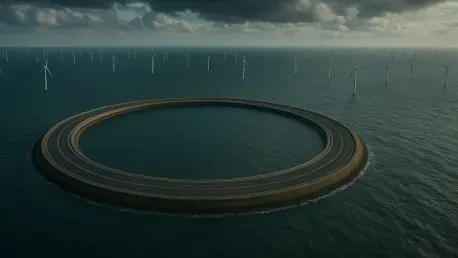
Engineers are filling the interior of the Belgian island with two million cubic meters of sand, which is then stabilized using a process known as vibroflotation. This colossal undertaking marks a pivotal moment in maritime engineering as the world transitions from simple offshore wind turbines to

The transition of energy subsidies in 2027 is creating a powerful economic incentive for power producers to find lower-cost alternatives to expensive imported wood pellets. As the United Kingdom navigates the complexities of a post-coal era, the sheer volume of waste cardboard generated by an
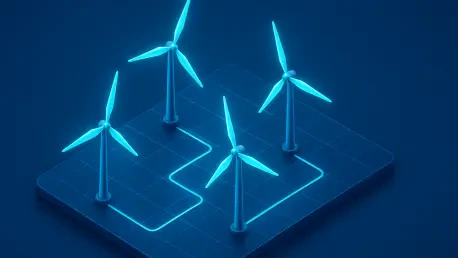
The specialized FLOWERS method provides a high-speed mathematical alternative that bypasses the need for dense wind direction grids without sacrificing the quality of the final layout. As wind energy production continues to expand into deeper offshore waters in 2026, the physical phenomenon known

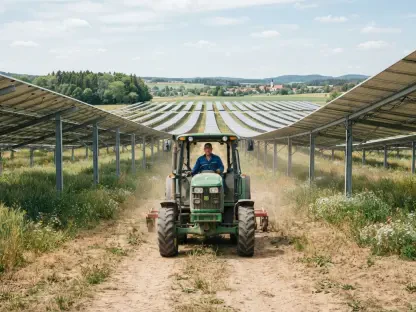
The integration of solar-plus-storage technology is essential for phasing out reliance on traditional fossil fuel plants while maintaining a continuous power supply. As of 2026, the United States is navigating a critical energy transition defined by federal mandates to slash greenhouse gas

Atomic-level defects at grain boundaries have long hindered the conversion efficiency and long-term stability of halide perovskites in solar applications. The quest for renewable energy parity has reached a pivotal juncture as material scientists push the boundaries of semiconductor physics to
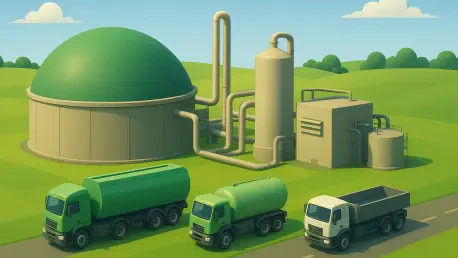
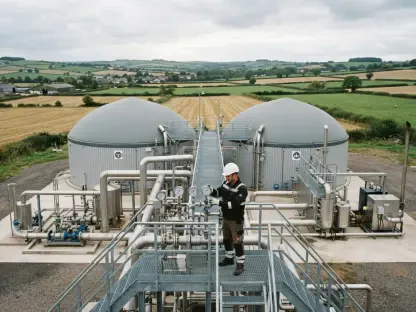
Professional training in the handling of compressed and liquefied gases is a critical bottleneck for the growth of the United Kingdom's biomethane supply chain. As heavy goods vehicle operators grapple with stringent decarbonization targets in 2026, the reliance on anaerobic digestion plants has