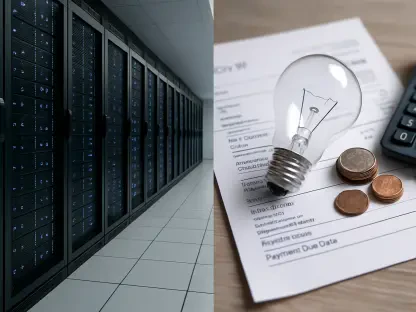
California’s aggressive pursuit of a decarbonized future is currently colliding with the harsh economic reality of skyrocketing utility bills for millions of households, creating a political flashpoint that demands immediate structural intervention. This friction has reached a fever pitch as the
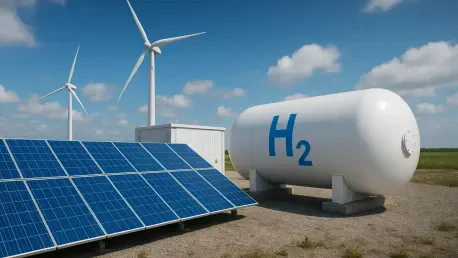
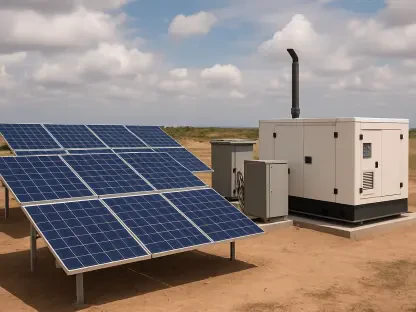
Utilizing local renewable electricity and carbon capture technologies can ease pressure on power grids while securing domestic supply chains. The current global energy landscape is shifting rapidly toward localized solutions that prioritize resilience over traditional, centralized distribution
The massive infrastructure upgrade aims to accommodate more than 40 million electric vehicle chargers, placing unprecedented pressure on local power distribution systems. As China moves through the 15th Five-Year Plan period, the scale of this investment is truly staggering, with the State Grid
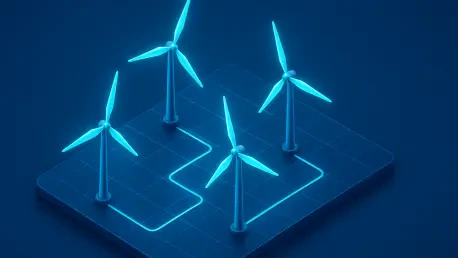
The specialized FLOWERS method provides a high-speed mathematical alternative that bypasses the need for dense wind direction grids without sacrificing the quality of the final layout. As wind energy production continues to expand into deeper offshore waters in 2026, the physical phenomenon known
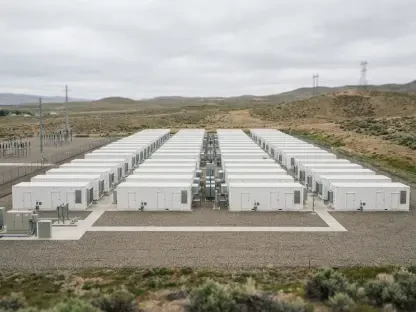
The integration of solar-plus-storage technology is essential for phasing out reliance on traditional fossil fuel plants while maintaining a continuous power supply. As of 2026, the United States is navigating a critical energy transition defined by federal mandates to slash greenhouse gas
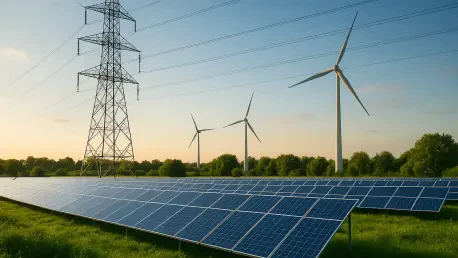
Traditional engineering techniques like gradient-based methods frequently get trapped in local minima, leading to sub-optimal schedules that waste money and increase pollution. This realization has forced modern energy sectors to reconsider how they approach the management of electrical power