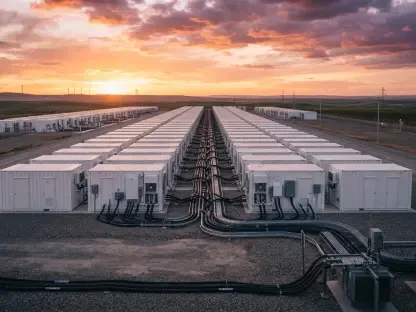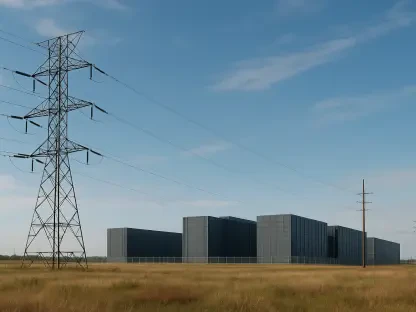
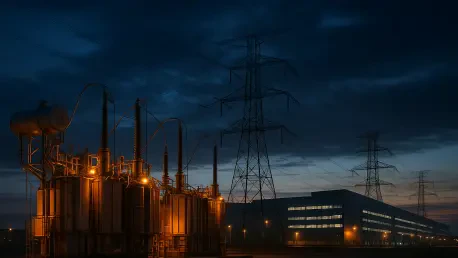
The sudden arrival of massive, gigawatt-scale data centers has transformed the American energy landscape from a predictable utility model into a high-stakes arena of financial risk and technical strain. This rapid expansion recently hit a regulatory wall when a $20 billion data center project in
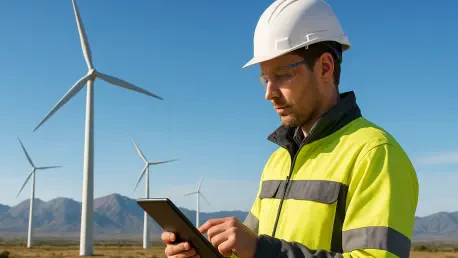
The integration of agentic AI into energy management allows human operators to shift from manual data entry to high-level strategic optimization. This technological shift is currently being spearheaded by Metris Energy, a London-based firm that recently secured a significant $5 million Seed funding
The U.S. solar hardware market has entered a period of significant tightening, driven primarily by intense regulatory pressure and evolving federal tax credit milestones. Market activity is currently being dictated by a strategic race among buyers to secure origin-compliant inventory ahead of

The Caesar Rodney Institute is urging state policymakers to reconsider wood-derived biomass as a cornerstone of a truly diversified energy portfolio. As Delaware grapples with the complexities of modernizing its power grid in 2026, the focus has shifted toward domestic generation to mitigate the

Internal justifications regarding the high cost of insurance premiums have backfired, leaving the nation's energy backbone vulnerable to climate-driven destruction. The catastrophic floods of late August, specifically on the 10th of Bhadra, have fundamentally reshaped the landscape of Nepal’s
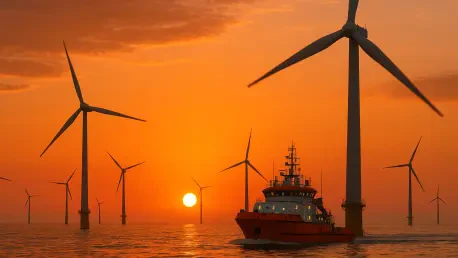
The realization of sustainable energy goals often relies on the longevity and resilience of early infrastructure projects that dared to challenge the dominance of fossil fuels. Standing as a silent testament to twenty years of industrial transformation, the Barrow Offshore Wind Farm has evolved