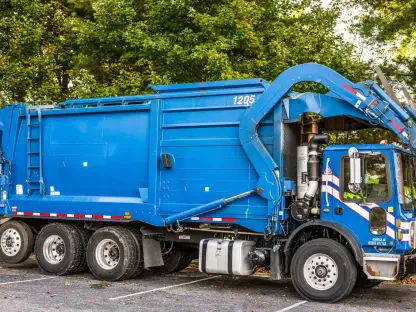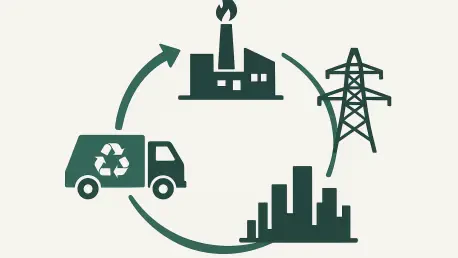
The Multi-Solving Action for Methane Reduction initiative focuses on building stakeholder capacity to implement modern waste technologies at the local level. Nigeria is currently navigating a pivotal shift in its environmental policy, focusing on the Multi-Solving Action for Methane Reduction in
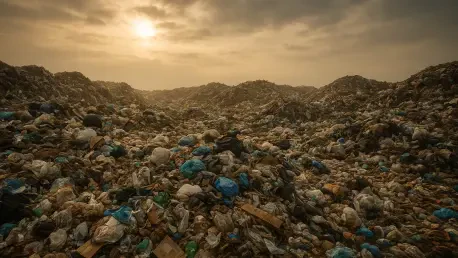
True waste reduction requires a feedback loop where disposal data informs future buying decisions to ensure all materials align with local infrastructure. As global landfills reach capacity and ocean plastic levels continue to escalate, the traditional linear model of acquisition, consumption, and

Secondary channels like BET Her and BET Soul are increasingly fragile as their parent companies seek to streamline portfolios and maximize profitability through unified digital experiences. This shift marks a significant departure from the era of bloated channel bundles that once defined American

A custom-formulated microbial inoculum will allow the new plant to break down harsh citrus runoff that was previously difficult for traditional treatment systems to handle. This ambitious project, situated within the Matão juice processing complex, represents a significant shift in how the

Shifting food waste from landfills to biogas facilities can reduce nitrogen loading in water systems by fifty percent, yet it introduces industrial levels of synthetic pollutants. As municipalities across the United States aggressively pivot toward zero-waste mandates, the rapid expansion of

Cebu's partnership with Japan aims to replace outdated disposal methods with modern industrial parks that prioritize resource recovery and environmental safety. The persistent accumulation of municipal solid waste in the region has long surpassed the capacity of local landfills, leading to