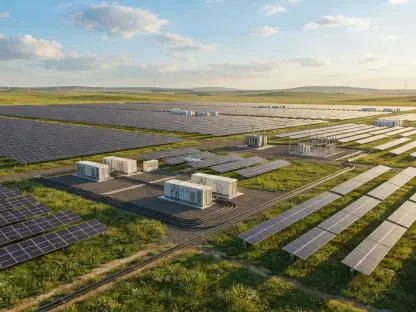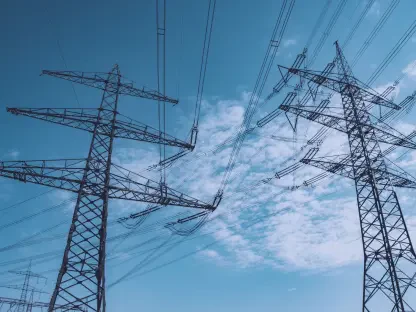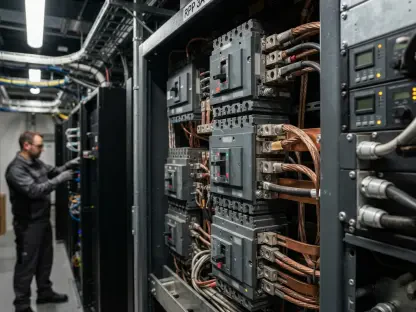
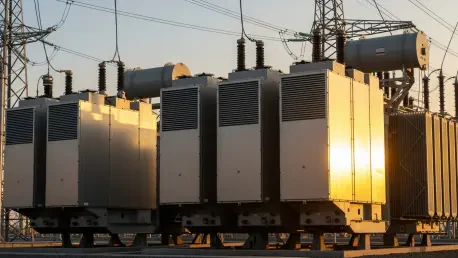
Massachusetts is rapidly transforming its electrical infrastructure from a centralized system dependent on fossil fuels into a decentralized, resilient powerhouse capable of meeting aggressive climate mandates by the end of the current decade. The state has emerged as a national leader in energy

The traditional landscape of energy regulation is shifting rapidly as state authorities move to dismantle financial incentives that once served as the primary tools for ensuring utility cooperation within regional power grids. For decades, federal regulators have authorized a 0.5% return on equity

The silent humming of silicon processors inside massive concrete warehouses across the American heartland is now clashing directly with the aging humming of high-voltage transformers that keep the lights on for millions of families. While a new data center can be erected and operational in under

Transitioning from Linear Television to a Versatile Wireless Data Utility The sudden realization that a simple television tower can provide more reliable positioning data than a billion-dollar satellite constellation is fundamentally altering the strategic priorities of the global media landscape

Tajikistan’s energy landscape is undergoing a profound structural metamorphosis as the nation pivots toward a decentralized model that prioritizes individual contribution over traditional state-heavy control. By implementing Decree No. 449, the government has officially dismantled the barriers that
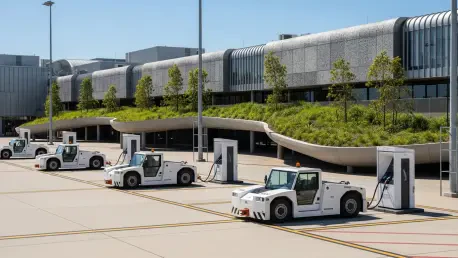
The construction of Western Sydney International Airport represents a seismic shift in how aviation infrastructure balances rapid economic expansion with the rigorous demands of environmental preservation. As operations scale up during 2026, the facility serves as a living laboratory for