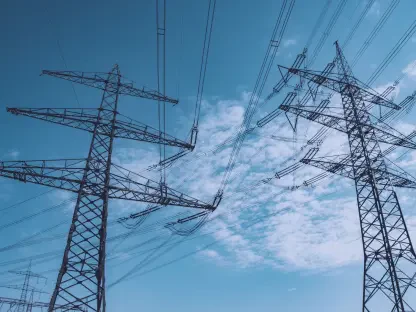

The delicate equilibrium maintaining New York’s power grid has reached a critical juncture where the available surplus of electricity during peak usage hours has dwindled to its most precarious state in modern history. Recent data from the New York Independent System Operator highlights a dramatic
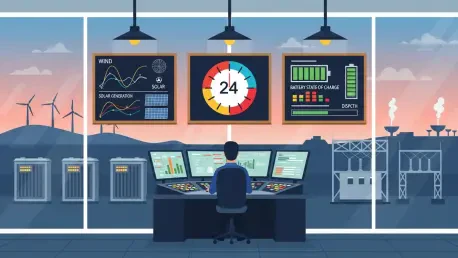
The Midnight Test At 12:17 a.m., a flagship AI data center stamped “100% renewable” kept humming while the local grid leaned on gas, and the claim still looked spotless on a spreadsheet. The turbines next door spun on methane, electrons flowed as physics required, and the brand promise did not

Scorching nights that never cool, subways packed with commuters, and air conditioners humming in every window strain New York’s grid just when the margin for error thins to a thread. That tension defined the latest reliability outlook, which flagged how extended heat waves can flip an adequate
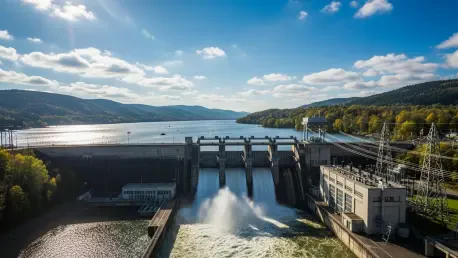
Market Context: Why Timing Now Drives Value Snow once functioned like a slow-release battery for the grid, but record winter warmth and a March heat wave shifted runoff into the wrong months, turning hydropower from a summer workhorse into a winter sprinter just as heat waves raised peak demand.
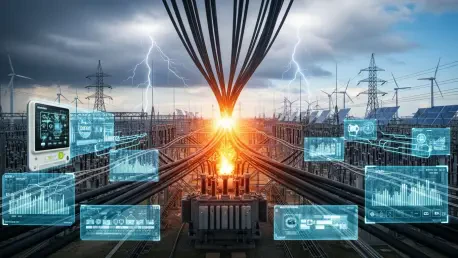
Electric vehicles, heat pumps, rooftop solar, and community batteries have changed where, when, and how electricity flows across distribution feeders, yet the decisive constraint on modernization has quietly been the data describing that network rather than the software orchestrating it or the

Power demand raced ahead of precedent as data centers and new factories asked to connect in months, not years, straining planning playbooks built for gentler times. The shift was not a blip but a structural break: interconnection requests in some regions, notably ERCOT, pointed to a trajectory that